Step 1 — Identify your lock system
Everything starts with the lock, because the lock decides which chip the card must carry. Note the make on the door, the platform name in your front-desk encoding software, and the model from the lock manual or your integrator invoice. Confirm whether guests tap (RFID) or swipe (magnetic stripe). If you are unsure whether your fleet reads a standard or an encrypted card, that is normal — send us the model or a photo and we confirm it, or a single test card settles it.
Step 2 — Choose the card material
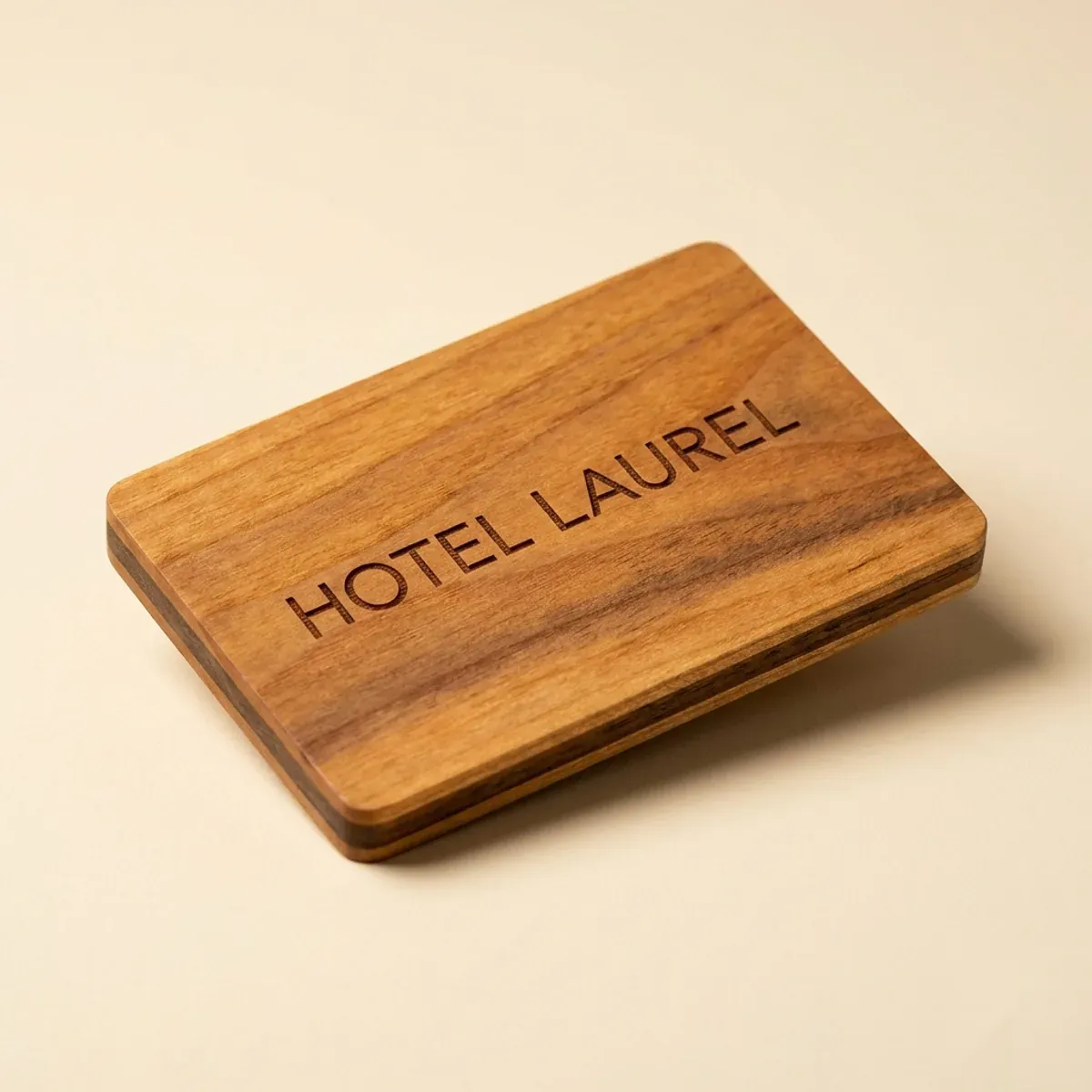
With the chip settled, choose what the card is made of. Standard PVC is the durable, economical default. Sustainable cores — FSC wood, bamboo, recycled rPVC/rPET and seed paper — all accept the same inlay, so the material is a brand and sustainability decision, not a technical one. Consider durability needs, your reissue model, and the guest impression you want at check-in.
- PVC — durable, economical, the standard choice
- Wood / bamboo — premium, renewable, keepsake feel for boutique properties
- Recycled rPVC / rPET — lower footprint, drop-in replacement for PVC
- Seed paper — plantable single-use for events and eco campaigns
Step 3 — Prepare and proof the artwork
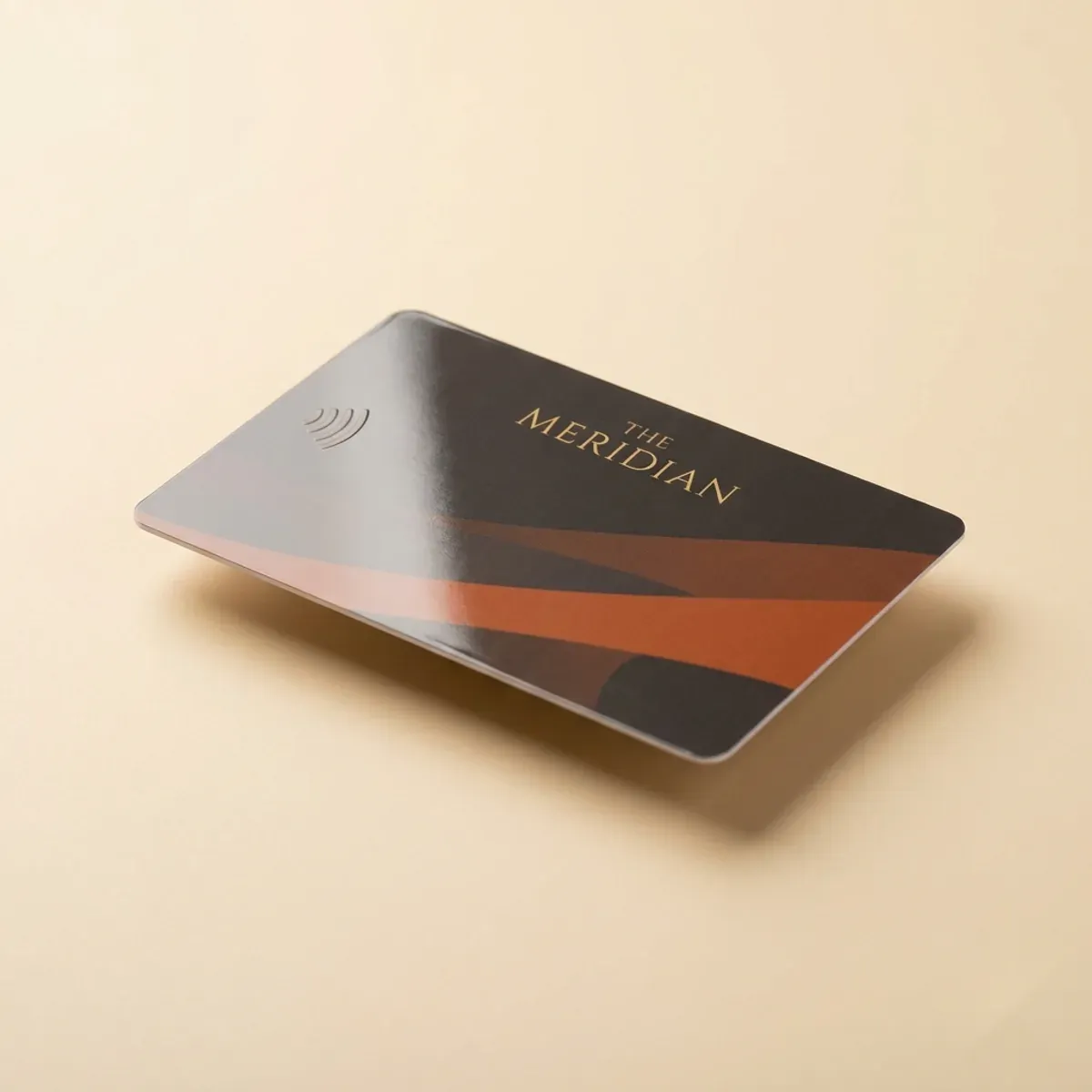
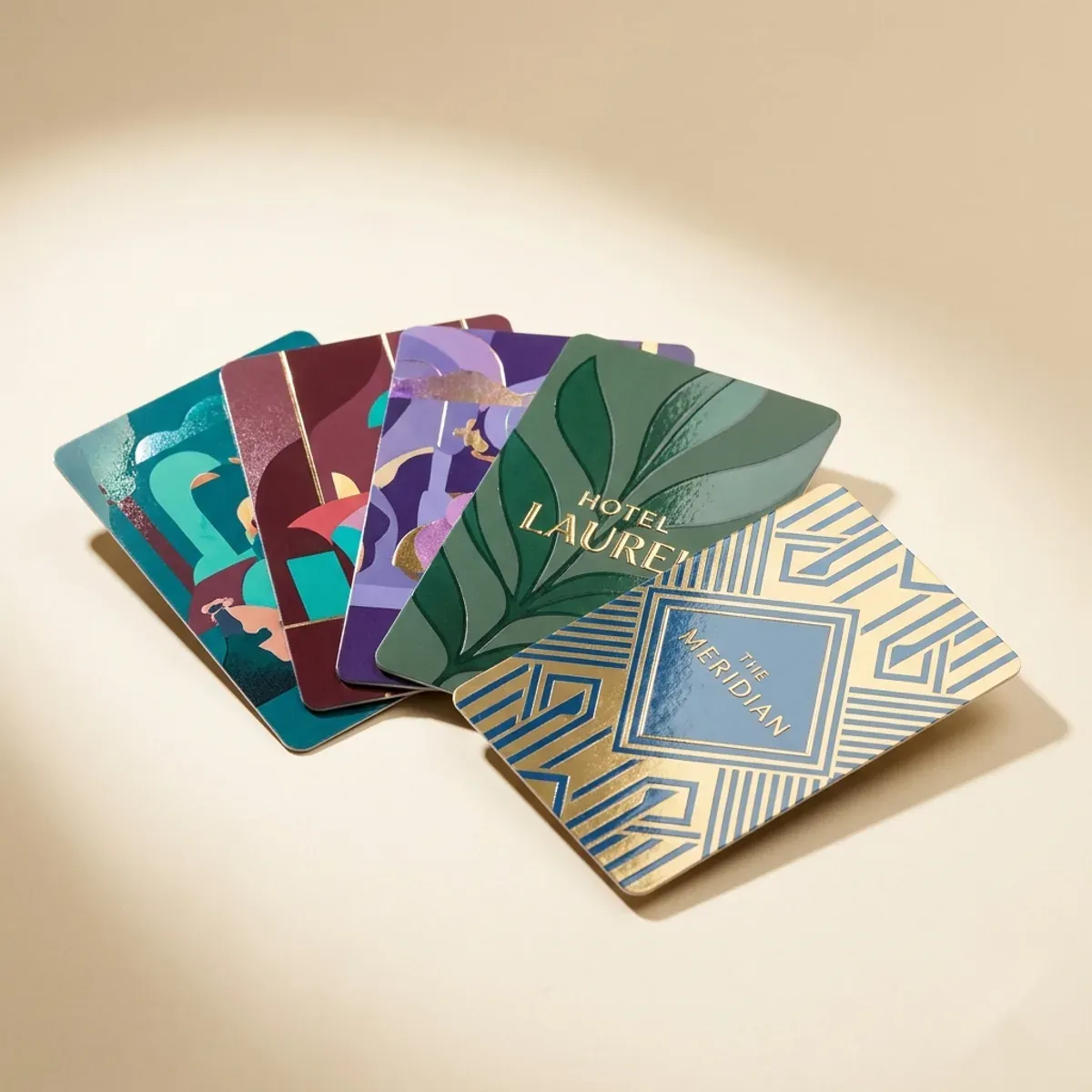
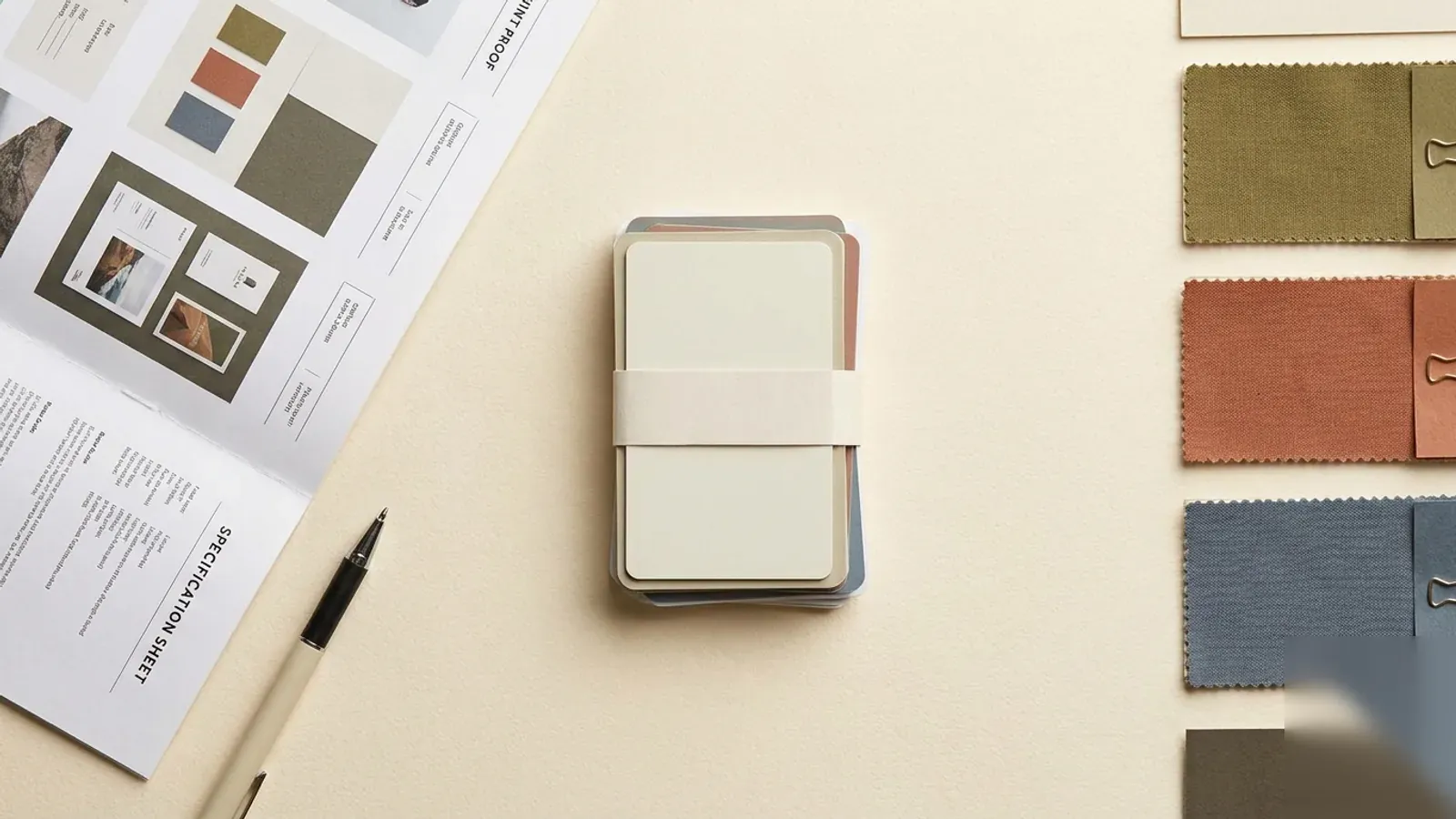
Send a print-ready PDF at CR80 size with bleed, or just your logo and brand kit and we will lay the card out for you. This is the stage to lock in your finishes — full-bleed CMYK, Pantone brand colors, metallic foil, spot UV — and any add-ons like sequential numbering, a QR code, a signature panel or a back-of-card message. Before anything prints, you approve a proof, so the card you receive is the card you signed off.
Step 4 — Choose your encoding
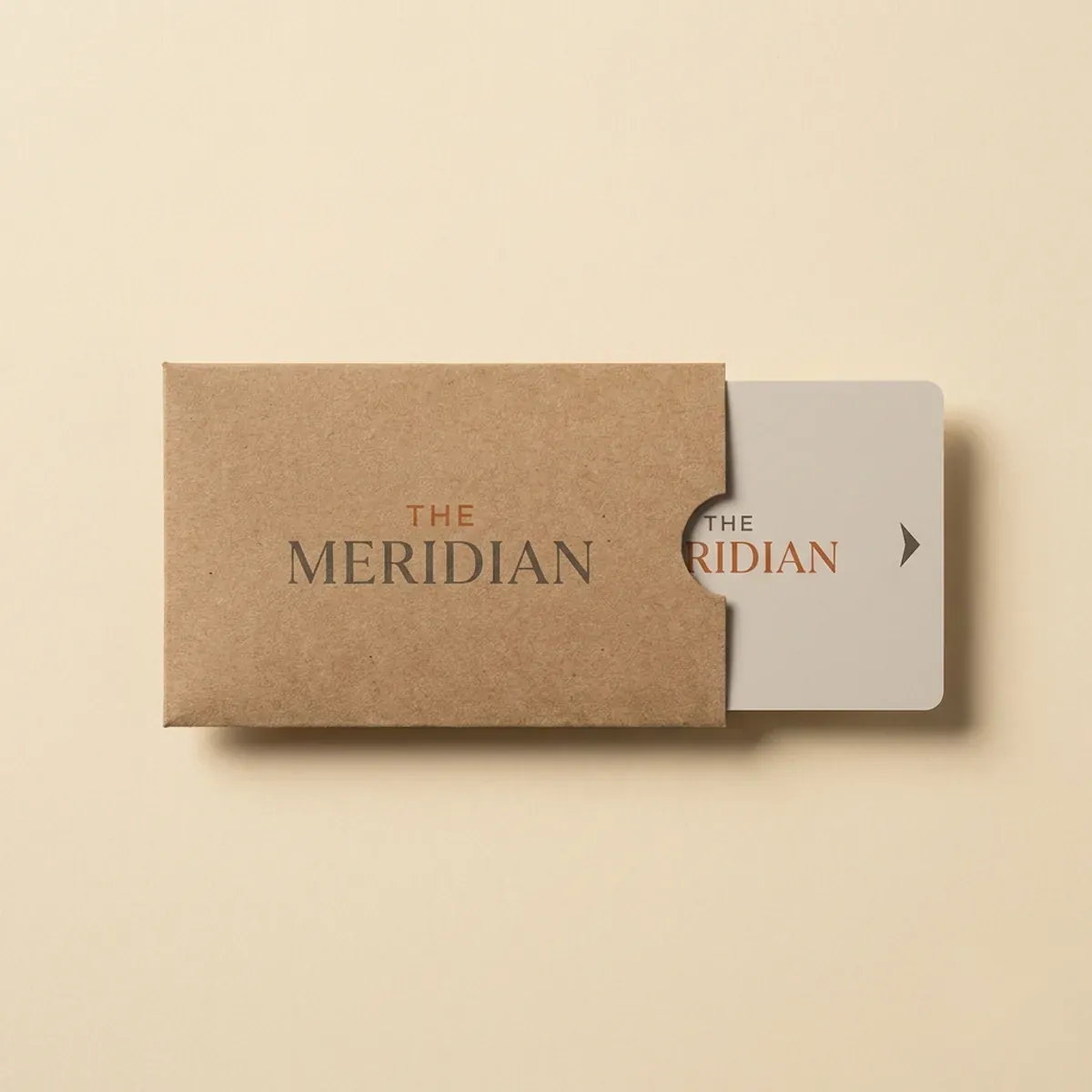
Decide how the cards arrive: blank or pre-encoded. Blank cards carry the correct chip but no access data; your front desk encodes each one at check-in on your own lock and PMS. This is the most secure and most common path. Pre-encoded cards arrive programmed to a profile you provide — useful for staged openings, test batches and multi-property rollouts. With encrypted systems, even pre-encoded cards are written with your own secure keys, so they remain uncloneable.
Step 5 — Confirm MOQ and lead time
Most custom orders start at a 500-card minimum, with reorders and plain-stock runs often available faster. Typical lead time is about two to three weeks after artwork approval; complex finishes or large multi-property programs can take longer, and we plan the run around your opening or restock date when you share it. Build in a little buffer — running out of room keys mid-season is avoidable with even modest forward planning.
Step 6 — Set a reorder cadence
Key cards are a consumable: they are lost, damaged, kept as souvenirs, or retired. Rather than reacting to an empty drawer, set a cadence. We keep your artwork, Pantone references and finish spec on file so every reorder reproduces the original card, and we can hold stock or schedule runs ahead of your peak seasons. Our guide on how many key cards a hotel needs gives a formula and a worked example for sizing each order.
- Track your monthly card consumption (loss + damage + souvenirs)
- Reorder before stock drops below your busiest-month demand
- Keep artwork and specs on file so reorders match exactly
- Schedule runs ahead of peak season to absorb lead time