Why the room key is a sustainability touchpoint
The key card is one of the few branded objects a guest holds for their entire stay, which makes it an unusually visible place to express a property's values. A standard hotel card is virgin PVC — durable and cheap, but petroleum-derived and not readily recyclable in most municipal streams. Swapping the material is a small change with an outsized signal, because the guest literally holds the difference.
The important technical point is that sustainability and function are not a trade-off here. Every sustainable option wraps the same 13.56 MHz RFID inlay in a different surface, so the card still taps-to-open in your existing readers and encodes on your own system. You are changing what the card is made of, not how it works.
The four sustainable materials, compared
Each material occupies a different point on the trade-off between footprint, durability, look and cost. This table compares the realistic options for hotel cards. Cost is shown as a relative tier rather than a price, since runs vary by volume, print and chip.
| Material | Footprint story | Durability | Look & feel | Recyclability | Cost tier |
|---|---|---|---|---|---|
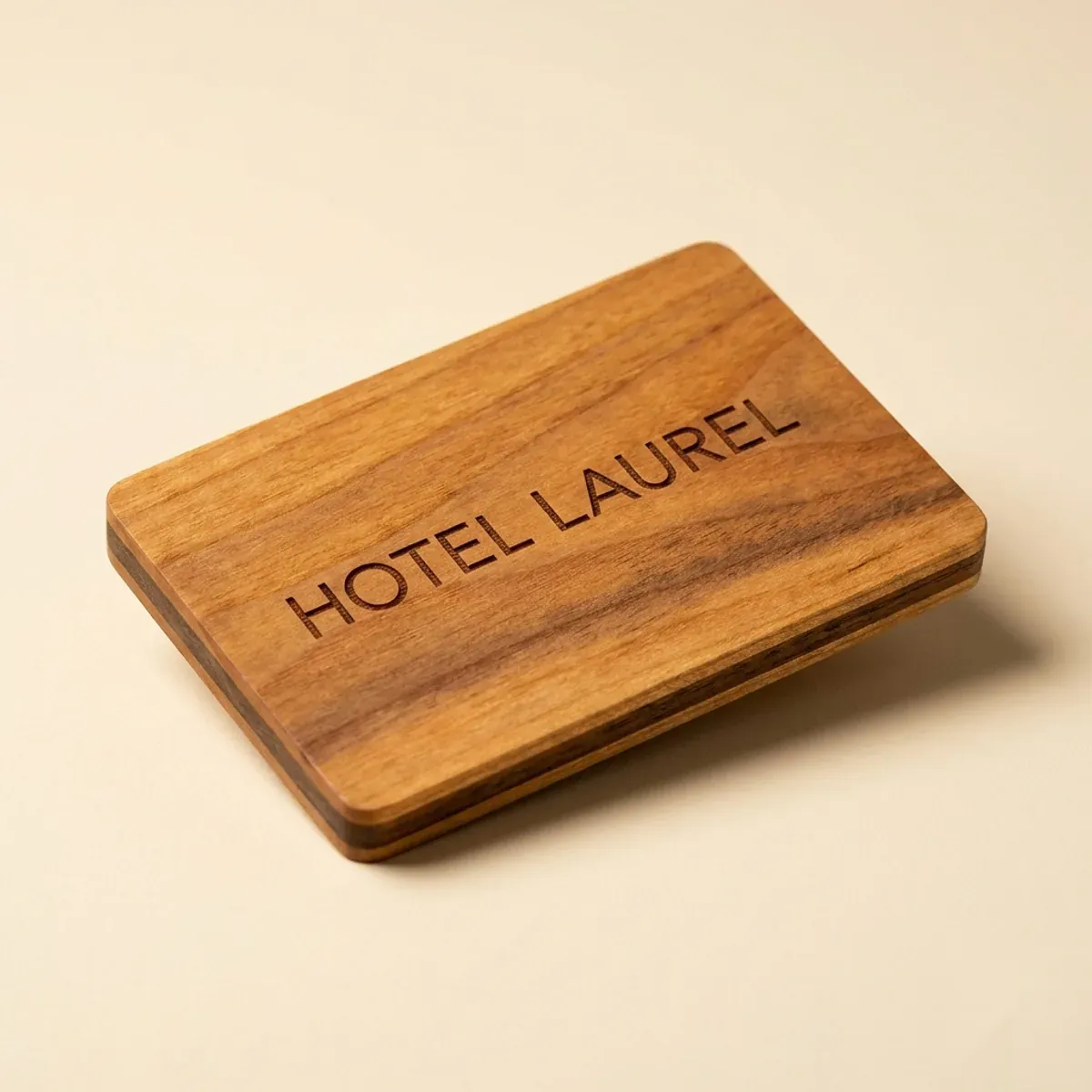
| FSC wood (maple/walnut/birch) | Renewable, certified forestry, biodegradable | Good; best when reissued between stays | Premium, warm, naturally unique grain | Biodegradable | Higher |
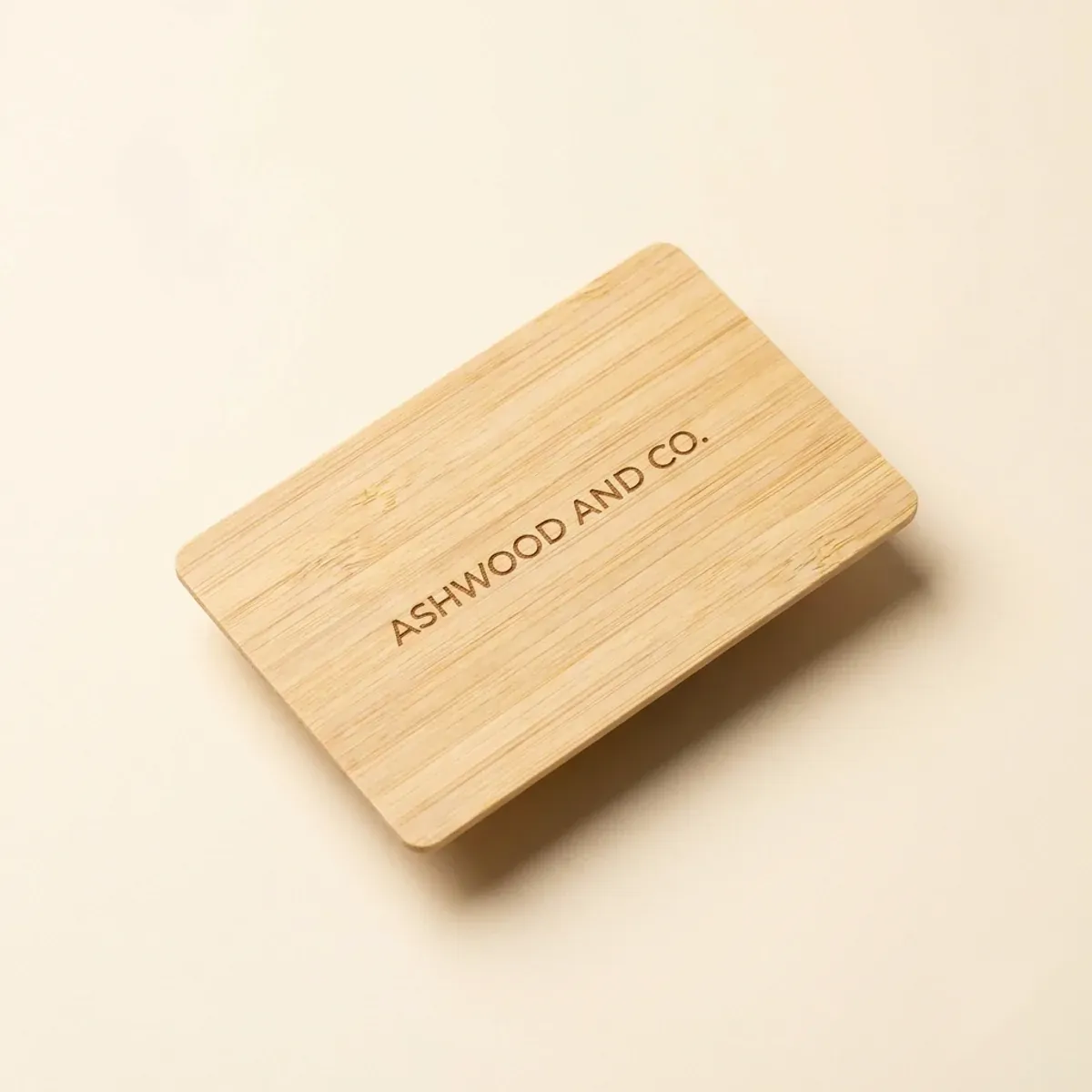
| Bamboo | Fastest-renewing (a grass); biodegradable | Good; lighter than hardwood | Light, smooth, uniform, modern | Recyclable / biodegradable | Higher |
| Recycled rPVC / rPET | Diverts plastic from landfill & coastal waste | Excellent — equals virgin PVC | Identical to standard plastic | Recyclable | Low–mid |
| Seed paper | Plantable, biodegradable, single-use | Single-use only | Tactile, craft, embedded seeds | Composts into wildflowers | Low (single-use) |
Wood and bamboo: the premium natural cards
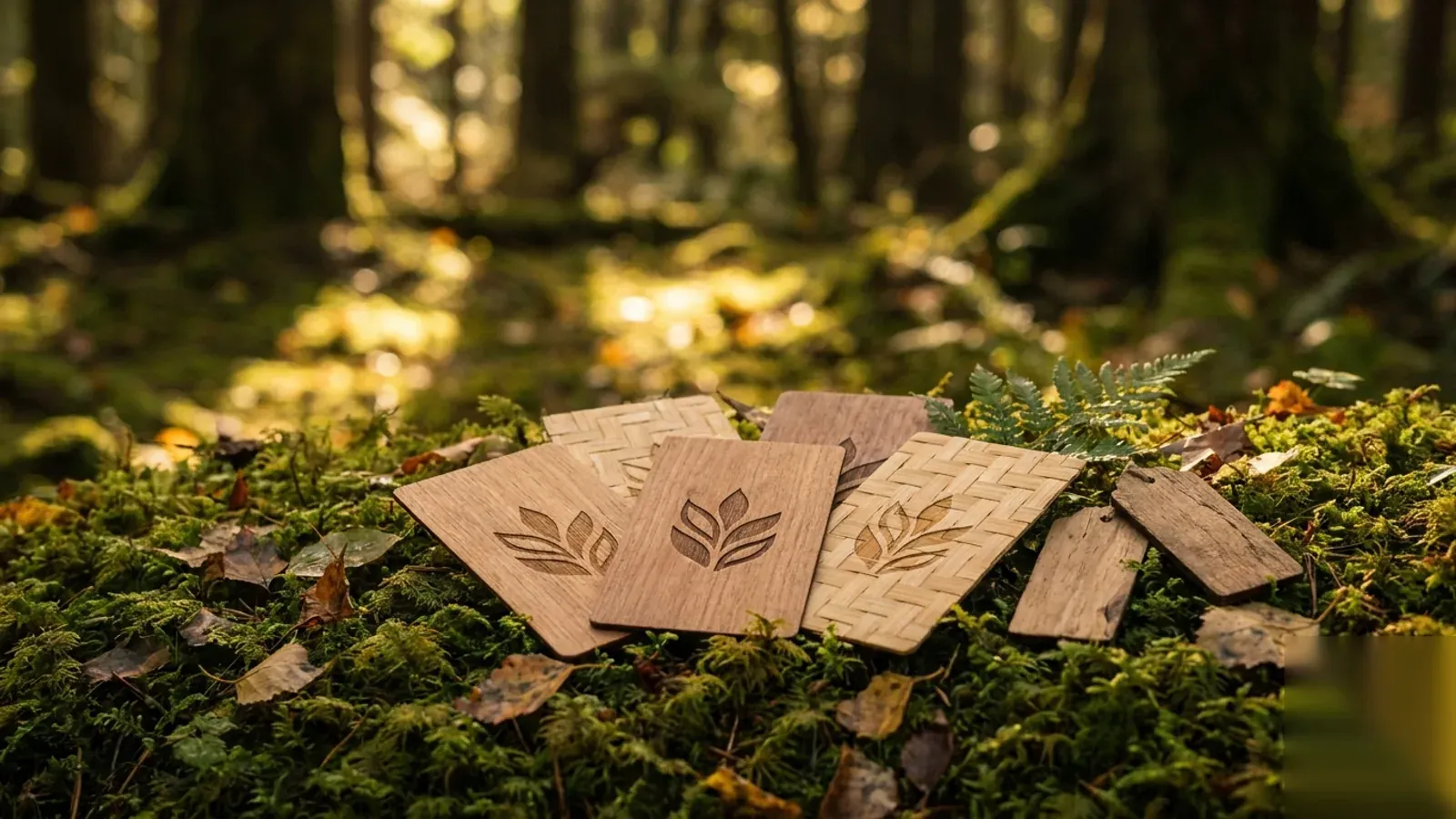
Wood and bamboo cards turn the room key into a tactile, memorable object. Wood cards use FSC-certified maple, walnut or birch veneer over the inlay — real grain, so every card is subtly unique — and take laser engraving for a permanent, ink-free logo. Bamboo is technically a grass that regrows in a few years, making it one of the fastest-renewing surfaces available; it is lighter and more uniform than hardwood, with a clean, modern look.
Both suit boutique, design-led and wellness properties that want sustainability to be felt, not just stated. They are slightly thicker than PVC and best suited to properties that reissue cards between stays rather than very high-loss environments. Guests frequently keep them as a memento, which is itself a quiet form of waste reduction.
Recycled cores: the drop-in swap
If you want the lowest-friction sustainability improvement, recycled cores are the answer. Recycled PVC — including ocean-bound rPVC reclaimed from coastal waste streams — and recycled PET print, laminate and perform exactly like virgin plastic. They drop into your existing readers, card printers and slots with zero workflow change, and they accept full custom print, so your card looks identical while carrying a lower footprint.
This is the pragmatic choice for properties that love the durability and economics of a plastic card but want to cut its environmental cost. It is also the easiest internal sell, because nothing about the operational process changes.
Seed paper: a memorable single-use option
Seed-paper cards are a different proposition: a biodegradable paper composite embedded with wildflower seeds that a guest can plant after their stay. They are not a long-term reusable room key — they suit events, festivals, eco campaigns and welcome kits where a single-use, plantable card makes a strong, sharable statement. The card still carries a standard RFID inlay for access, then composts into flowers when planted.
How to choose for your property
There is no single "most sustainable" card — the right answer depends on how your property operates and what you want the guest to feel.
- Want a premium, renewable keepsake guests notice? Choose wood or bamboo.
- Want the fastest-renewing natural material? Choose bamboo.
- Want a lower footprint with zero workflow change? Choose recycled rPVC/rPET.
- Have an ocean or coastal conservation commitment? Choose ocean-bound rPVC.
- Running an event or eco campaign and want a single-use statement? Choose seed paper.
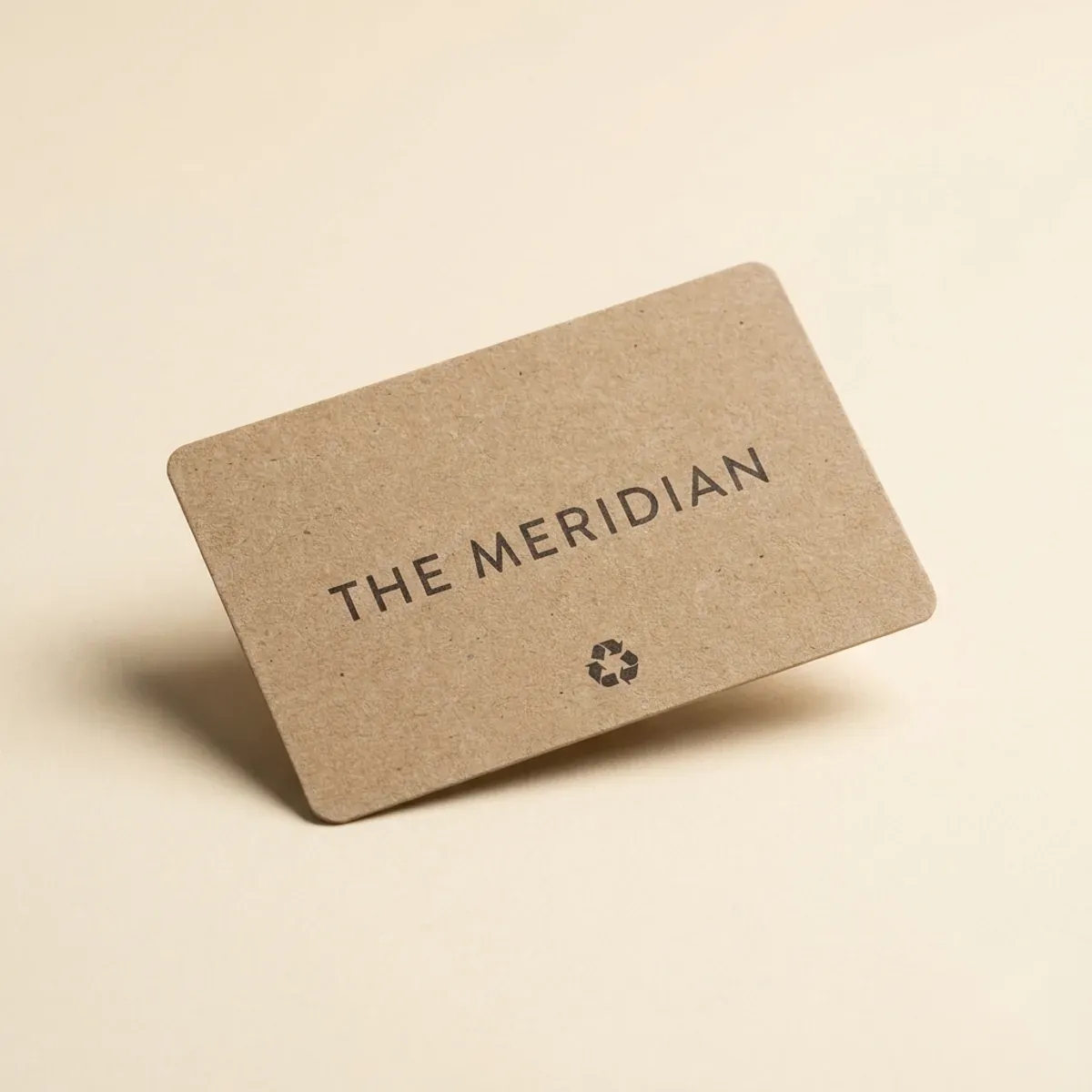
- Pair any card with recycled kraft sleeves for an all-in sustainable check-in kit.