The same frequency, very different chips
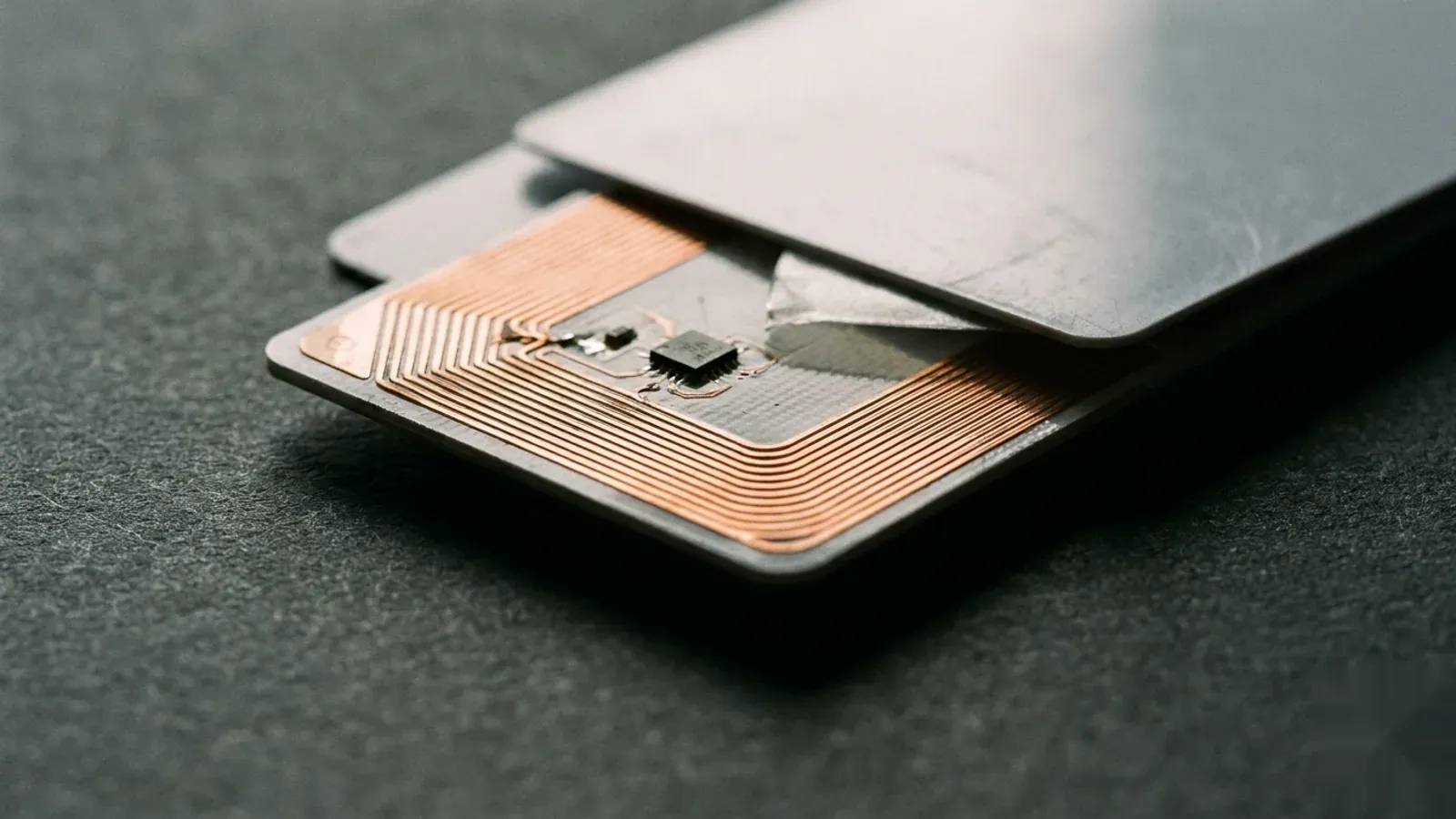
Both MIFARE Classic and MIFARE DESFire are part of NXP's MIFARE family, both operate at 13.56 MHz, and both follow the ISO/IEC 14443-A standard — so to a guest tapping a door, they look identical. The difference is entirely inside the chip: how it stores data, how much it holds, and crucially how it protects access with cryptography.
MIFARE Classic stores data in fixed memory sectors protected by Crypto1, a proprietary stream cipher NXP introduced in the 1990s. MIFARE DESFire uses a flexible file system and protects communication with AES (and, on EV1, optional 3DES) — the same class of encryption used across modern banking and access control. That single distinction is why DESFire is considered secure for new deployments and Classic is considered legacy.
Why Crypto1 matters (and what it does not mean)
The Crypto1 cipher behind MIFARE Classic was reverse-engineered by security researchers more than fifteen years ago, and practical attacks to recover its keys have been published and refined ever since. In plain terms: the cryptography that protects a MIFARE Classic card is no longer trustworthy on its own, which is why payment, transit and high-security systems have largely moved on.
For hotels, this needs the right context. A lost or even cloned MIFARE Classic room card is far less serious than it sounds, because a well-run hotel changes the lock's codes on every new check-in, stores no guest PII on the card, and relies on physical re-keying when a card goes missing. The card is a token, not a vault. Still, when you have the choice — a new build, a lock upgrade, or a system that supports both — DESFire is the better foundation, and it future-proofs you as the industry tightens standards.
MIFARE Classic vs DESFire, side by side
Here is how the two chips compare on the factors that matter when you are specifying hotel cards. Memory figures are the common variants; "1K" and "4K" describe MIFARE Classic capacity, while DESFire is sized in 2K/4K/8K EEPROM with a managed file system.
| Factor | MIFARE Classic | MIFARE DESFire (EV1/2/3) |
|---|---|---|
| Frequency / standard | 13.56 MHz · ISO 14443-A | 13.56 MHz · ISO 14443-A |
| Encryption | Crypto1 (proprietary, weak) | AES (and 3DES on EV1) — strong |
| Common memory | 1K or 4K, fixed sectors | 2K / 4K / 8K, flexible file system |
| Security status | Legacy — known attacks | Modern — recommended for new builds |
| Typical hotel use | Older VingCard, Saflok, Onity RFID | Current encrypted lock generations |
| Multi-application | Limited | Yes — multiple secured apps per card |
| Relative cost | Lower | Slightly higher |
| Best for | Matching an existing Classic fleet | New systems, upgrades, future-proofing |
When each makes sense
The honest answer is that your lock decides for you most of the time. If your reader fleet is provisioned for MIFARE Classic 1K, that is what you order — a DESFire card may not be recognized by an older reader that was never set up to read it. The compatibility match comes first; the security preference comes second.
Where you genuinely have a choice — a new property, a lock upgrade, or a dual-capable system — order DESFire. The modest cost difference buys you AES-grade security and headroom for multi-application use (one card for the room, the gym, the parking gate). If you are matching an established Classic fleet across hundreds of locks, staying on Classic is reasonable and common; just plan to move to DESFire when you next upgrade hardware.
- Order MIFARE Classic 1K when matching an existing Classic reader fleet
- Order DESFire (EV1/2/3) for new builds, lock upgrades and any dual-capable system
- Choose DESFire when you want one card to carry multiple secured applications
- Unsure which your locks read? Order a single test card before the full run
What to actually order
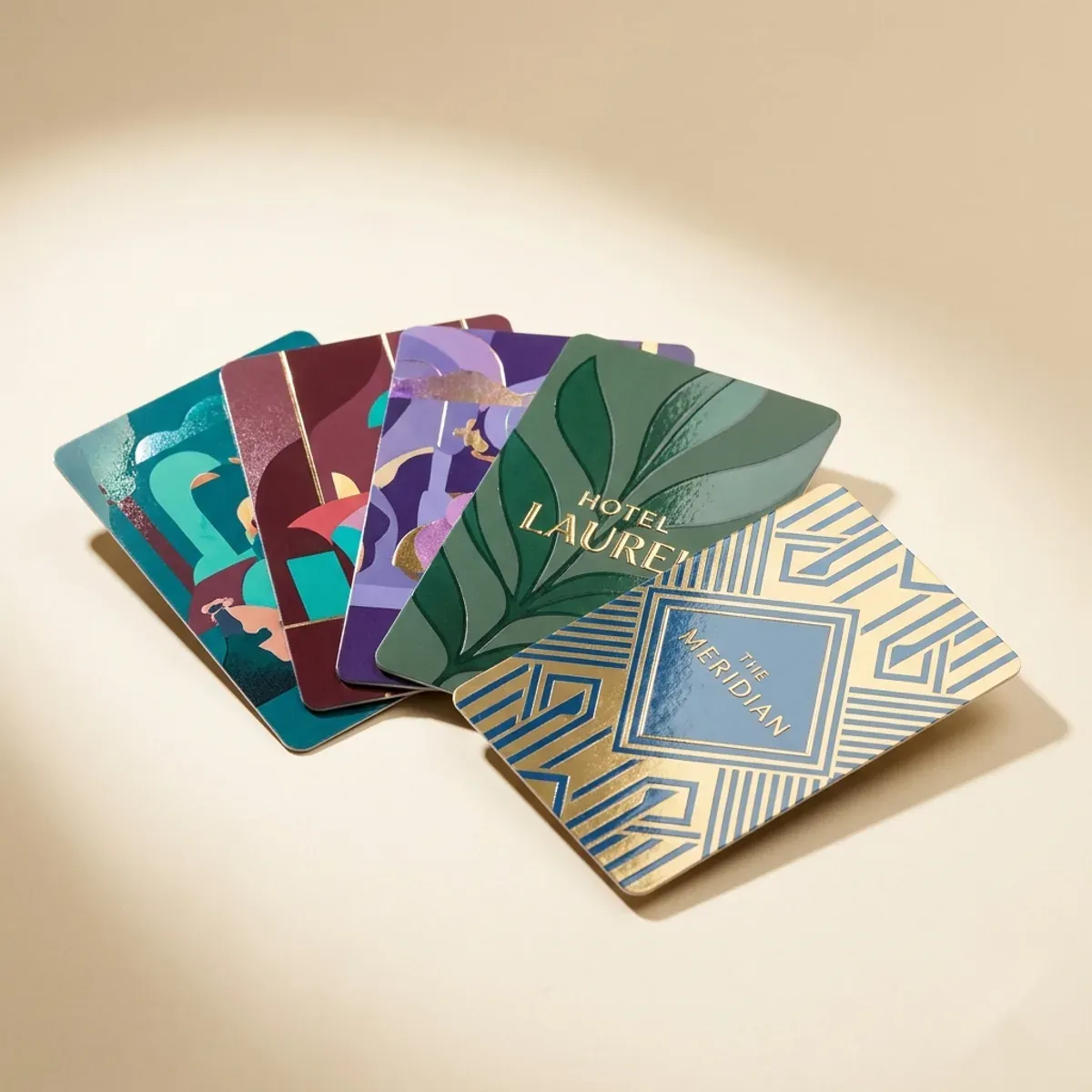
Tell us your lock brand and generation and we spec the matching inlay. If your platform reads MIFARE Classic, we supply Classic 1K (or 4K) cards; if it reads DESFire, we supply EV1, EV2 or EV3 to your spec. Either chip ships in the same CR80 card with your full custom print, blank for your team to encode or pre-programmed to your profile. The chip choice changes nothing about the card's look, print quality or sustainability options — wood, bamboo, rPVC and seed-paper cores all accept either inlay.