How each technology actually works
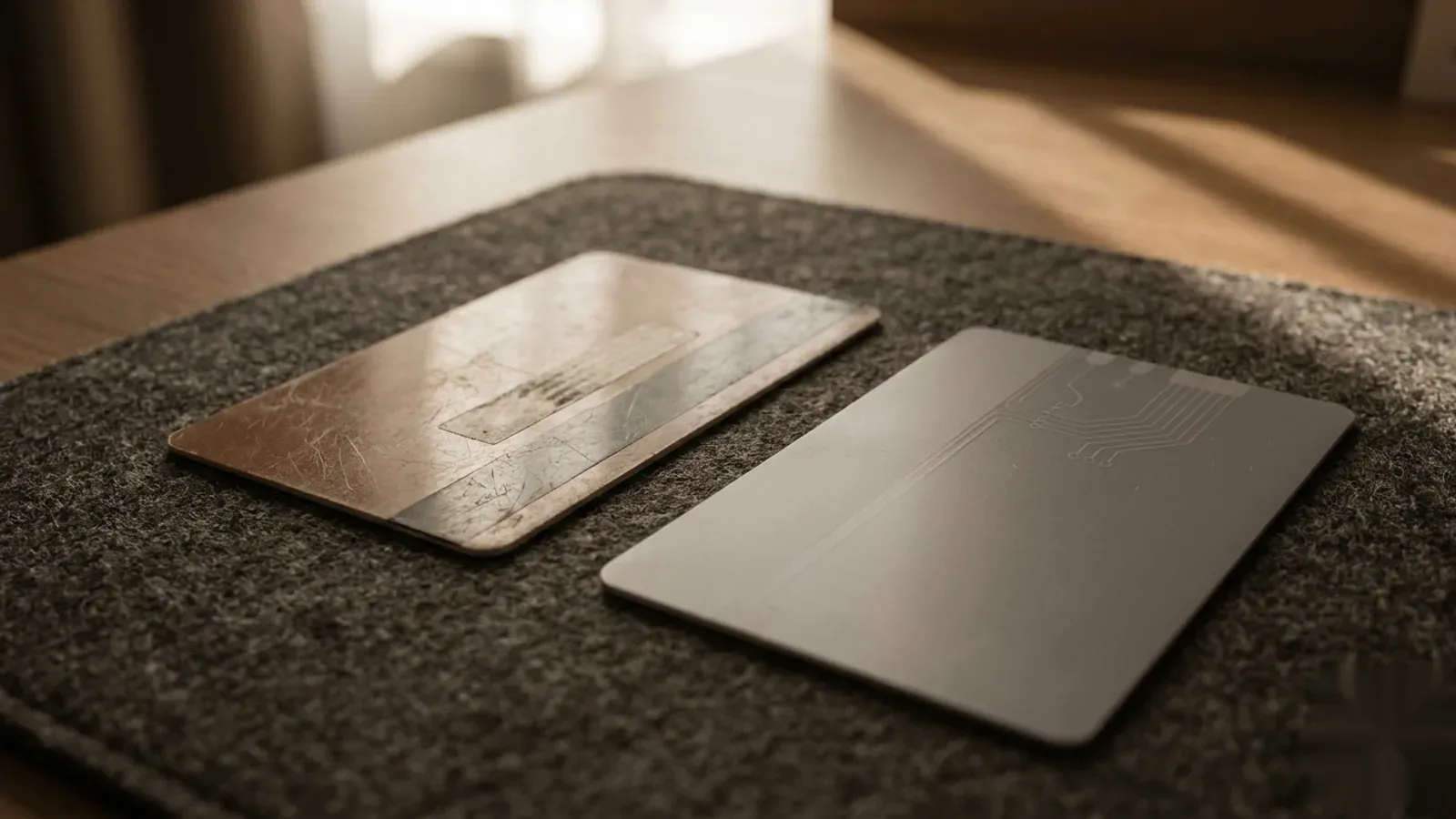
A magnetic-stripe key stores data on a band of magnetic particles, exactly like an old credit card. To open the door, the guest drags the stripe through a slot in the lock at the right speed and orientation; a magnetic head reads the encoded data. It is simple and cheap, but every read is a moment of physical contact and friction.
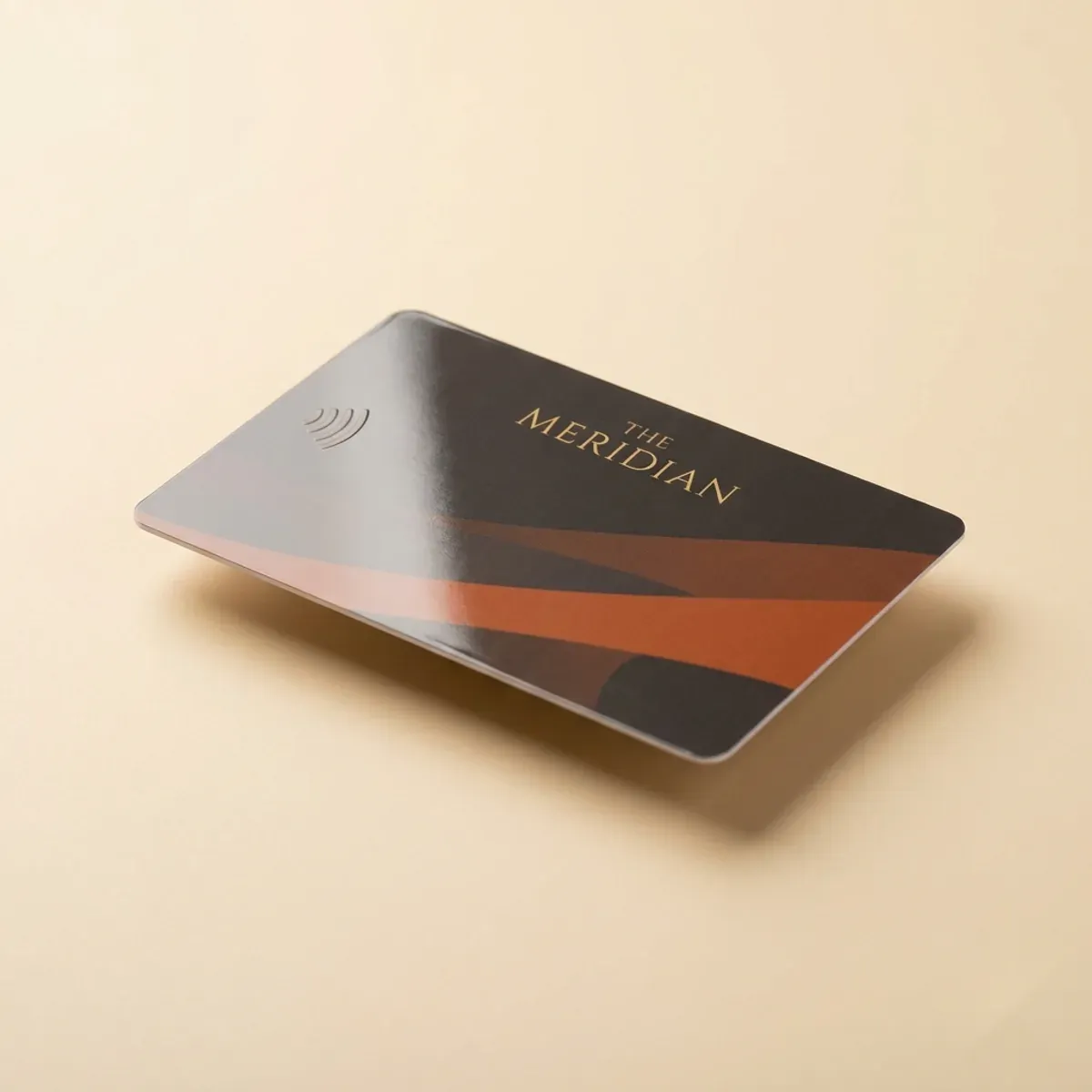
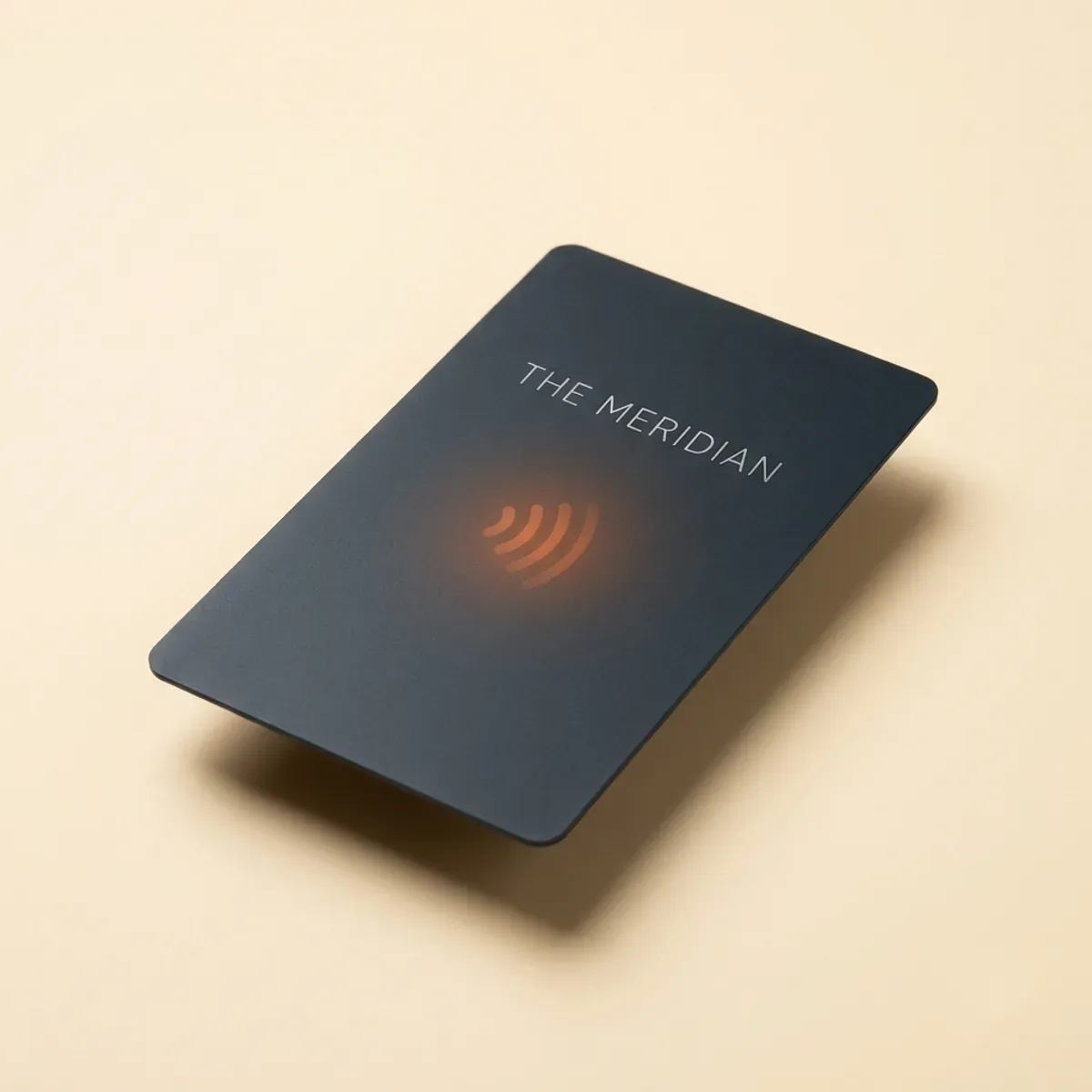
An RFID key carries a tiny chip and a wire antenna sealed inside the card. When held near the lock, the lock's reader energizes the antenna by radio field and the chip responds with its data — no contact, no swipe, no orientation to get right. The whole exchange happens in a fraction of a second through the card, a wallet or a sleeve.
Durability and the demagnetization problem
The single biggest reason hotels move off magstripe is demagnetization. A magnetic stripe loses its data when it meets another magnet — and modern life is full of them: phone cases, bag clasps, other hotel keys, even the magnetic closure on a wallet. Every demagnetized key is a guest walking back to the front desk, a re-encode, and a small dent in the experience.
RFID cards have no stripe to erase. There is no magnetic data to lose, no physical contact to wear down, and nothing for the guest to align. A sealed RFID card survives thousands of taps, shrugs off being carried next to a phone, and there is no read slot in the lock to jam or wear out. For a busy property, that translates directly into fewer failed keys and fewer trips back to reception.
RFID vs magnetic stripe, compared
Here is how the two technologies line up on the factors hoteliers actually weigh when deciding whether to switch.
| Factor | Magnetic stripe | RFID (contactless) |
|---|---|---|
| Read method | Swipe through a slot | Tap / hold near the lock |
| Demagnetization | Common — phones, magnets, other cards | Not possible — no magnetic data |
| Durability | Stripe and lock slot wear out | Thousands of taps; no slot to wear |
| Check-in speed | Slower; orientation and swipe speed matter | Faster; works through a wallet or sleeve |
| Guest experience | Failed swipes, repeated tries | One tap, works first time |
| Security | Easily copied magnetic data | Encrypted chips (AES) available |
| Mobile-key path | None | Same 13.56 MHz field bridges to NFC / mobile |
| Reusability | Reusable but degrades | Reusable; reprogram and reissue cleanly |
| U.S. market trend | Being retired | Current standard |
The guest and front-desk experience
For guests, the difference is felt in seconds. A tap-to-open card works the first time, in any orientation, even through a sleeve or wallet — there is no "swipe slower," no flipping the card over, no second visit to the desk. For families, guests with mobility constraints, or anyone juggling luggage, that simplicity matters.
For the front desk, RFID removes a recurring class of friction. Fewer demagnetized keys means fewer re-encodes and fewer interruptions. RFID also unlocks reissuing and reprogramming workflows that keep a card in service across many guests, and it sits on the same 13.56 MHz technology that mobile keys use — so a property on RFID is already positioned for an NFC or mobile-key rollout when it is ready.
The retrofit path: what actually changes
Switching from magstripe to RFID is more approachable than most hoteliers expect, because the change is concentrated in the reader, not the whole door. Many electronic locks were sold RFID-ready or with an upgradeable reader module, so the move can be as targeted as swapping the lock head or reader and changing the card stock.
The full picture, for a property that is still fully magstripe, looks like this:
- Confirm whether your locks are RFID-ready or need new reader heads / modules
- Upgrade or replace the reader hardware where required (often the lock body stays)
- Update the front-desk encoders to write RFID credentials
- Confirm PMS integration with the new encoding workflow
- Switch the card stock to the matching 13.56 MHz chip (standard or encrypted)
- Run a pilot floor before rolling out property-wide
Why U.S. hotels are switching now
The trend is not driven by novelty — it is driven by cost and experience. Demagnetized keys are a daily operational tax that RFID simply removes. RFID hardware has matured and come down in price, encrypted AES chips raise the security floor, and the same contactless platform is the on-ramp to mobile keys that brand standards increasingly expect. For most American hotels, the question has shifted from "should we move to RFID" to "when, and which floors first."