Security
MIFARE Classic Is Aging: What It Means for Hotel Card Security
The Crypto1 cipher behind MIFARE Classic is decades old. Here is what that genuinely means for hotel locks — and, just as importantly, what it does not.
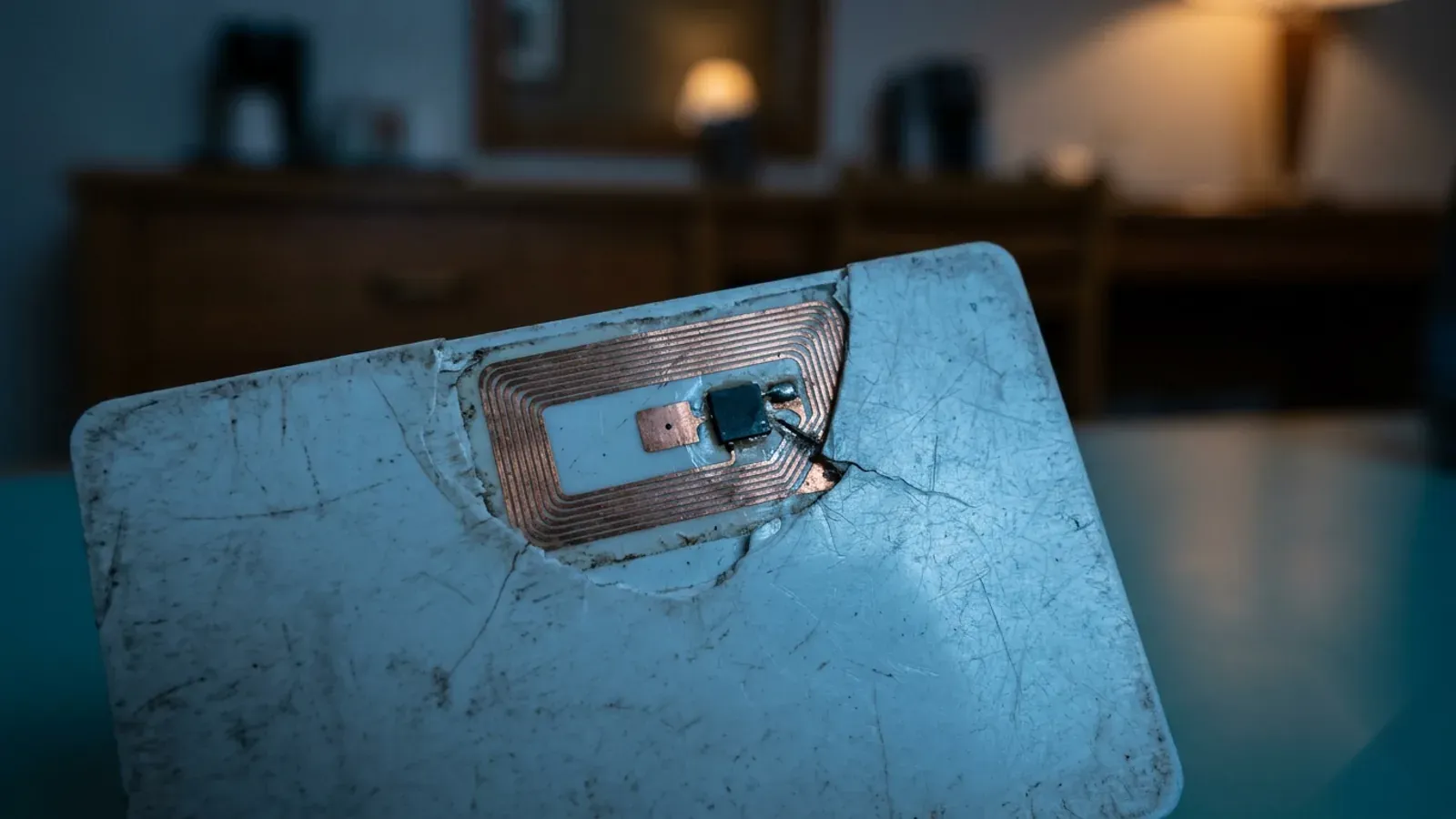
MIFARE Classic is an aging contactless technology whose Crypto1 cipher has known academic weaknesses dating back more than fifteen years. For hotels it means MIFARE Classic should be treated as legacy rather than best practice, and that MIFARE DESFire EVx — which uses standard AES encryption — is the modern choice for new locks. It does not mean existing MIFARE Classic locks are unusable today, and it never depends on which supplier prints your cards.
A chip from another era
MIFARE Classic arrived in the mid-1990s and went on to become one of the most widely deployed contactless smart-card technologies in the world — in transit, access control and, of course, hotel locks. It operates at 13.56 MHz on the ISO/IEC 14443-A standard, the same frequency and standard the industry still uses today.
Its weakness is not the radio but the lock on the data. MIFARE Classic secures its sectors with Crypto1, a proprietary stream cipher with a short key. Once researchers reverse-engineered Crypto1 in the late 2000s, a series of academic papers showed practical ways to recover keys. That body of work is now well over a decade old and thoroughly public.
What "aging" actually means here
Calling MIFARE Classic "aging" is not marketing language; it reflects a clear consensus that the technology is no longer state of the art for security-sensitive uses. The cipher's weaknesses are understood, documented and reproducible, which is precisely why newer credentials moved to standard, peer-reviewed cryptography.
For a hotelier the honest framing is one of risk posture, not imminent catastrophe. A MIFARE Classic lock fleet is not going to fail overnight, and millions of doors still run on it. But it is a platform whose security ceiling is known and fixed, and that should inform planning rather than provoke alarm.
The modern alternative: DESFire EVx and AES
The mainstream upgrade path is MIFARE DESFire EVx. Where Classic uses the proprietary Crypto1, DESFire uses AES — the same Advanced Encryption Standard used to protect banking, government and enterprise data. It is open, independently reviewed and not vulnerable to the Crypto1 class of attacks.
Crucially, DESFire runs on the same 13.56 MHz / ISO 14443-A infrastructure, so moving to it is a platform and credential decision rather than a different radio technology. Many current lock systems support DESFire natively; the question for a property is whether its specific locks and firmware do.
- MIFARE Classic: 1990s technology, Crypto1 cipher, known weaknesses — treat as legacy.
- MIFARE DESFire EVx: AES encryption, open and reviewed — the current best practice.
- Both run at 13.56 MHz on ISO 14443-A — the move is about the chip and keys, not the reader hardware standard.
What it does not mean
Two clarifications keep this in proportion. First, the security of a hotel lock lives in the lock's firmware, its key management and how the property operates it — not in who manufactures or prints the blank card. A card is simply the medium your system writes to. Choosing a different card supplier does not change your cryptographic exposure.
Second, an attack that is feasible in a research setting is not the same as a casual threat. The day-to-day risk to a well-run property remains low. The reason to care about MIFARE Classic's age is forward planning: when you next replace locks, specifying a DESFire/AES platform retires a known limitation cleanly.
A sensible plan for hotels
There is no need to rip out working locks tomorrow. The sensible plan is to know what you run, keep firmware current, and let the migration to AES happen at natural replacement points. If you operate Saflok, note that the same MIFARE Classic context sits behind the 2024 "Unsaflok" disclosure, and coordinate the manufacturer's remediation accordingly.
Whatever chip your locks read today, a compatible supplier can spec cards to match it — MIFARE Classic now, DESFire when you upgrade — shipped blank for your team to encode or pre-programmed to your system.
American Hotel Cards is an independent supplier of compatible blank and custom-printed credentials and is not affiliated with, endorsed by or sponsored by any lock manufacturer. Brand names referenced are trademarks of their respective owners. This article is informational and reports on publicly known industry developments.