Industry
Why U.S. Hotels Are Finally Retiring Magstripe Key Cards
Demagnetization, slow check-ins and an aging reader fleet are quietly pushing American hotels off the magnetic stripe — and onto contactless RFID for good.
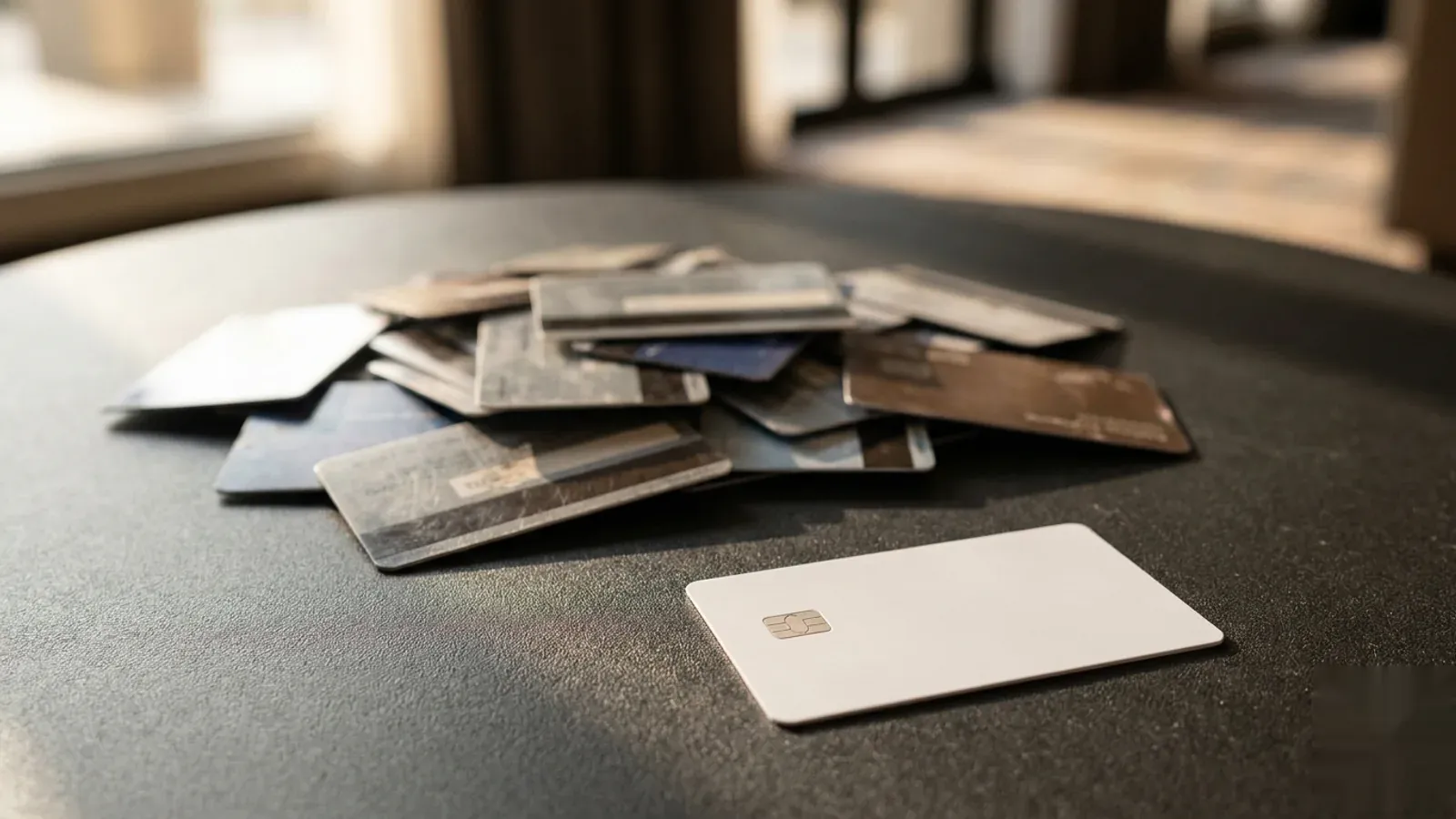
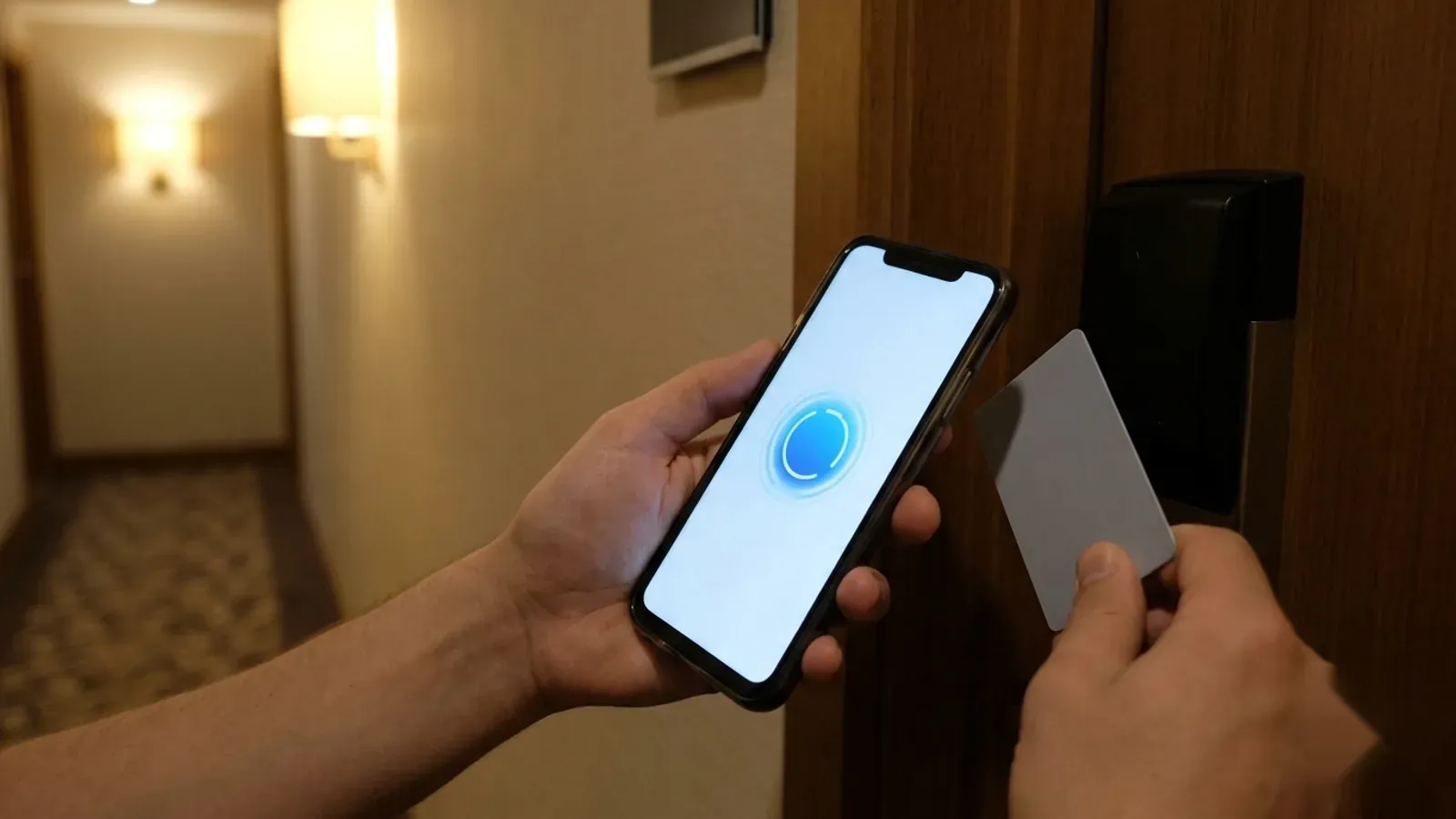
U.S. hotels are retiring magnetic-stripe key cards because magstripe demagnetizes easily, wears reader heads, slows check-in and offers a poorer guest experience than contactless RFID. Most properties are switching to 13.56 MHz RFID cards (contactless smart-card and NFC-tag credentials) that tap rather than swipe, last longer and integrate with mobile keys.
The quiet end of the swipe
For three decades the magnetic stripe was the default room key in American hospitality. It was cheap, it was familiar, and the encoding hardware sat on every front desk in the country. But the swipe is now in steady retreat, and the reasons are practical rather than dramatic: stripes demagnetize, readers wear out, and guests expect to tap.
No single headline killed magstripe. Instead a slow accumulation of small frustrations — a card that stops working after sharing a wallet with a phone, a re-key trip back to the desk, a swipe that has to be tried three times at the door — added up to a clear operational case for moving on. As properties refurbish guestrooms or replace lock fleets that have reached end of life, the contactless reader almost always wins.
Why magstripe wears out a welcome
A magnetic stripe stores its data in a thin band of magnetizable particles. That band is easy to corrupt. A nearby phone, a second card, a handbag clasp or simply months of friction in a pocket can scramble it, and a scrambled stripe means a guest standing at their own door with a key that no longer opens it.
The reader side ages too. Swipe readers rely on a physical head that the card drags across thousands of times. Heads collect grime, fall out of alignment and eventually fail — a maintenance line item that contactless readers, with no moving contact surface, largely remove.
- Demagnetization: stripes are corrupted by other magnets, phones and everyday wear.
- Read failures: worn or dirty swipe heads cause repeated swipes and re-keys.
- Slower check-in: swiping is fussier than a single tap, especially for guests carrying bags.
- Higher reissue rates: more dead keys means more trips back to the front desk.
What replaces it: contactless RFID
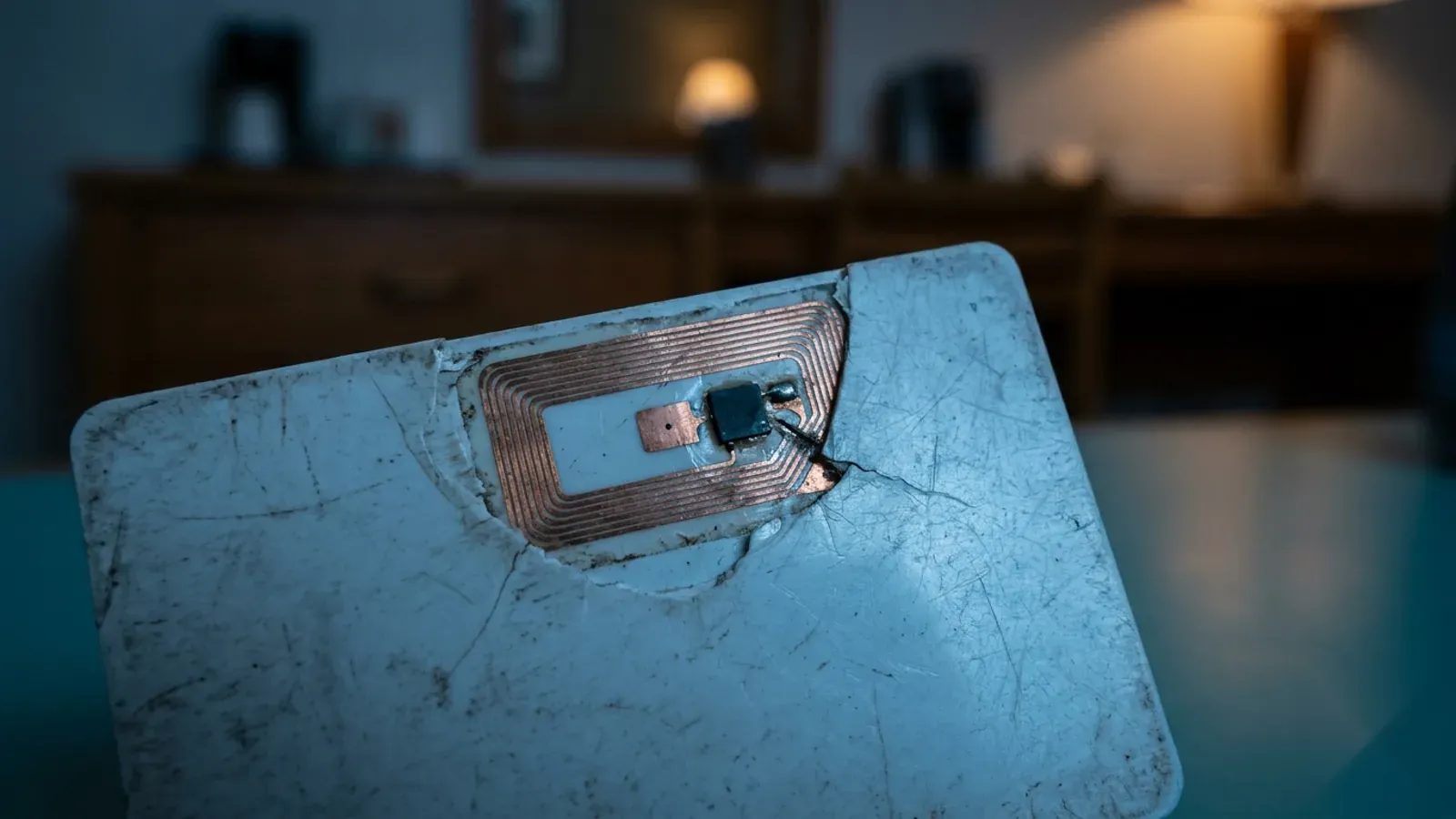
The successor is contactless RFID operating at 13.56 MHz on the ISO/IEC 14443-A standard. Instead of dragging a stripe across a head, the guest holds the card near the lock and a short-range radio link does the rest. There is nothing to demagnetize and no head to wear, so both the card and the reader tend to last longer.
In the United States the common credentials are the standard 13.56 MHz smart card, the encrypted 13.56 MHz smart card and NFC-tag chips. The card a property uses is dictated by its lock platform — every hotel lock system expects a specific chip family — which is exactly why a credential supplier specs the card to the lock rather than the other way around.
The retrofit is more than the card
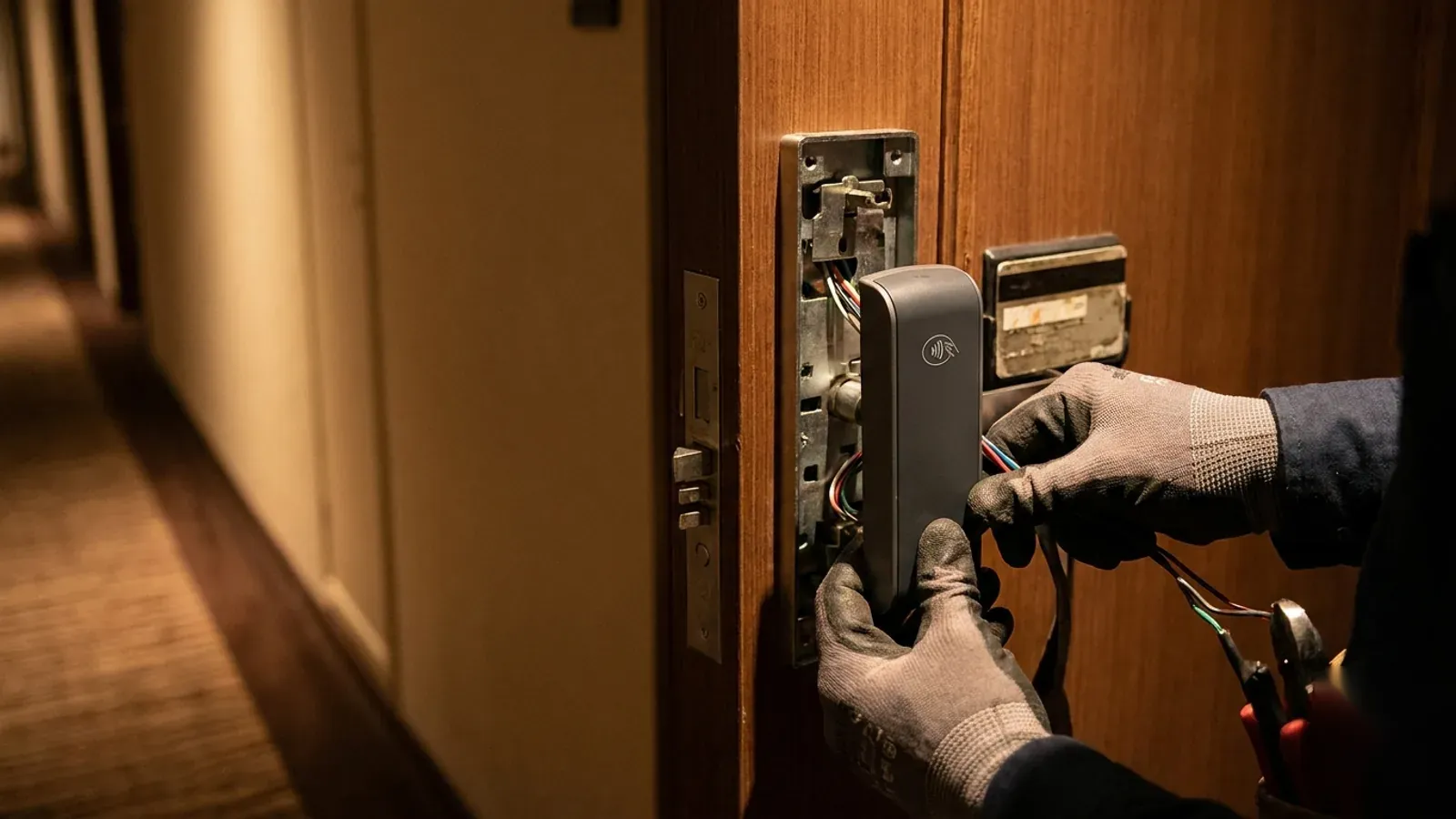
Hoteliers sometimes assume "going RFID" means buying different cards. It does not. The contactless lock or reader, the front-desk encoder and the link to the property-management system all change together. The plastic in the guest's hand is the cheapest and last piece of that puzzle.
The upside is that the new card stock is genuinely better, not just newer. RFID cards can be reused for years, encoded blank in-house, custom-printed edge to edge, and produced in sustainable materials like FSC wood, bamboo and recycled PVC that simply were not options when the stripe ruled.
A practical path off the stripe
For most properties the transition happens during a planned lock or PMS upgrade rather than as a standalone project. Once contactless readers are in place, the card order is straightforward: confirm the chip your locks read, choose a material and print, and decide whether you want cards shipped blank for your team to encode or pre-programmed to your system.
If your property still swipes, the question is rarely whether to move but when. Building the change into your next refurbishment cycle keeps cost down and avoids the worst outcome — running a fleet of swipe readers nobody else still supports.
American Hotel Cards is an independent supplier of compatible blank and custom-printed credentials and is not affiliated with, endorsed by or sponsored by any lock manufacturer. Brand names referenced are trademarks of their respective owners. This article is informational and reports on publicly known industry developments.