Sustainability
Boutique Hotels Lead the Switch to Sustainable Key Cards
Independent and design-led properties are turning the room key into something guests notice — and into a sustainability statement that reaches every single arrival.
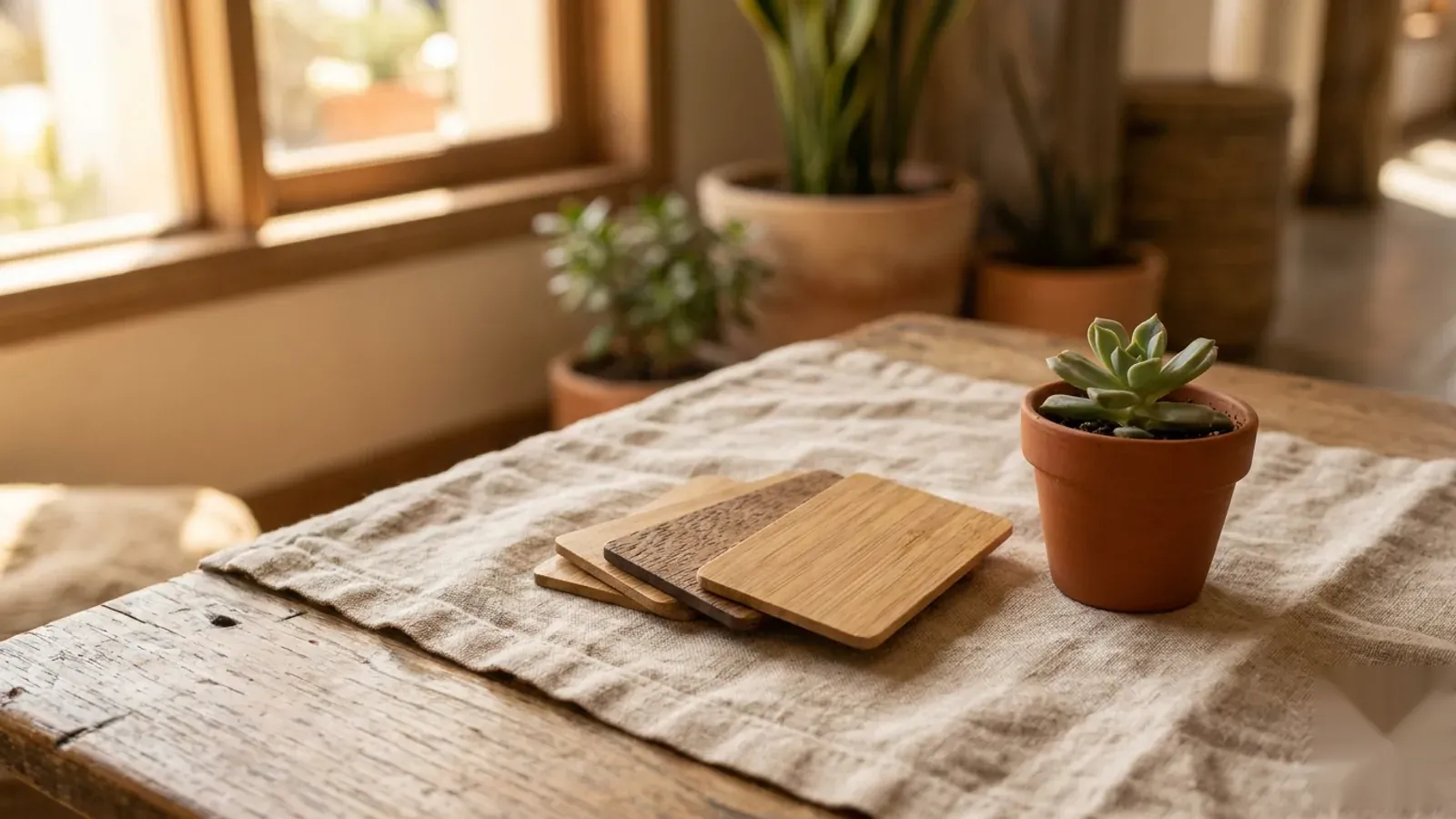
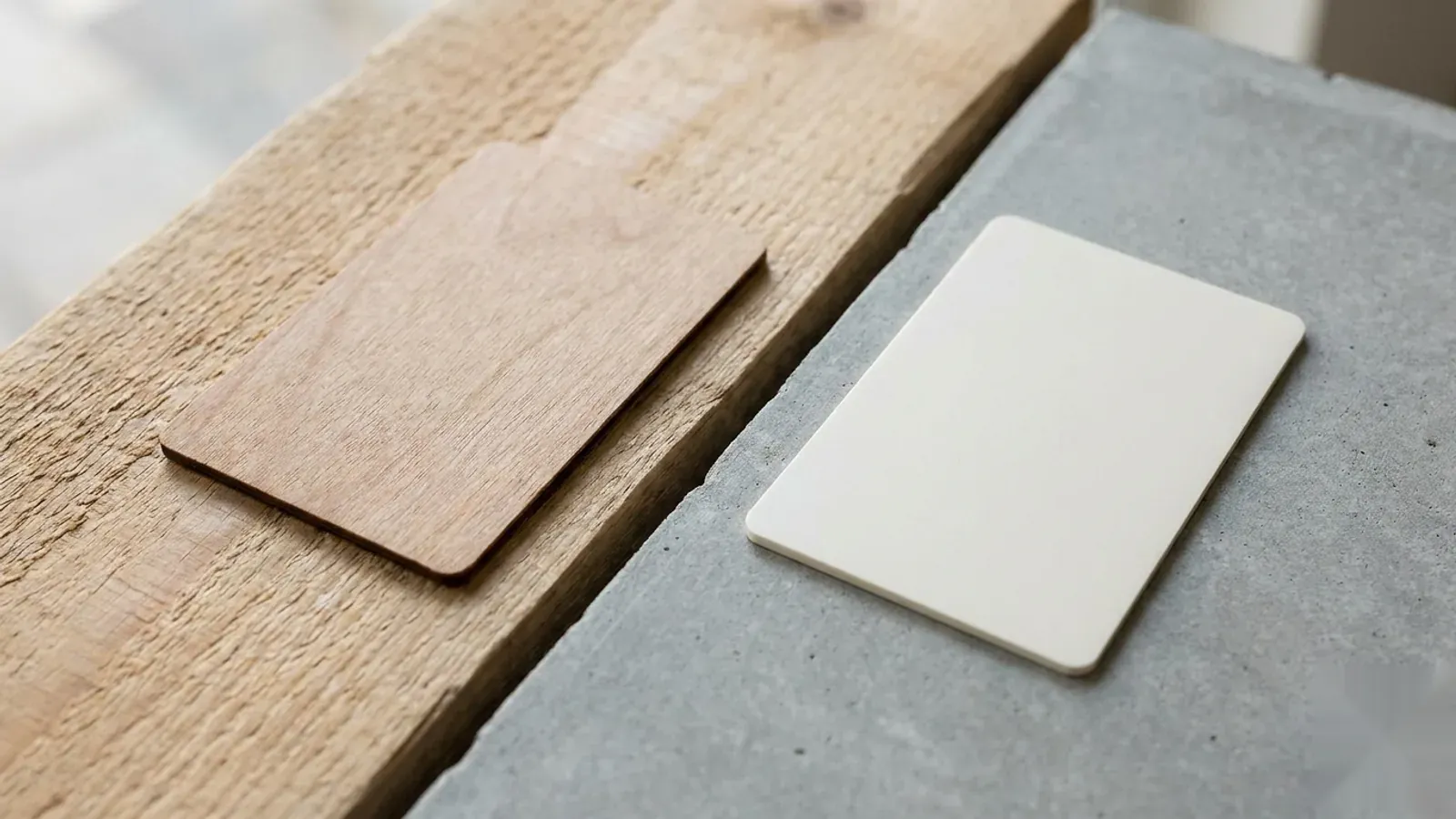
Boutique hotels are leading the move to sustainable key cards because the room key is one of the few branded objects every guest physically holds. Switching from virgin PVC to FSC-certified wood, bamboo or recycled materials lets a property signal its environmental values at check-in while reinforcing its design identity — all without changing the locks.
The most-handled object in the building
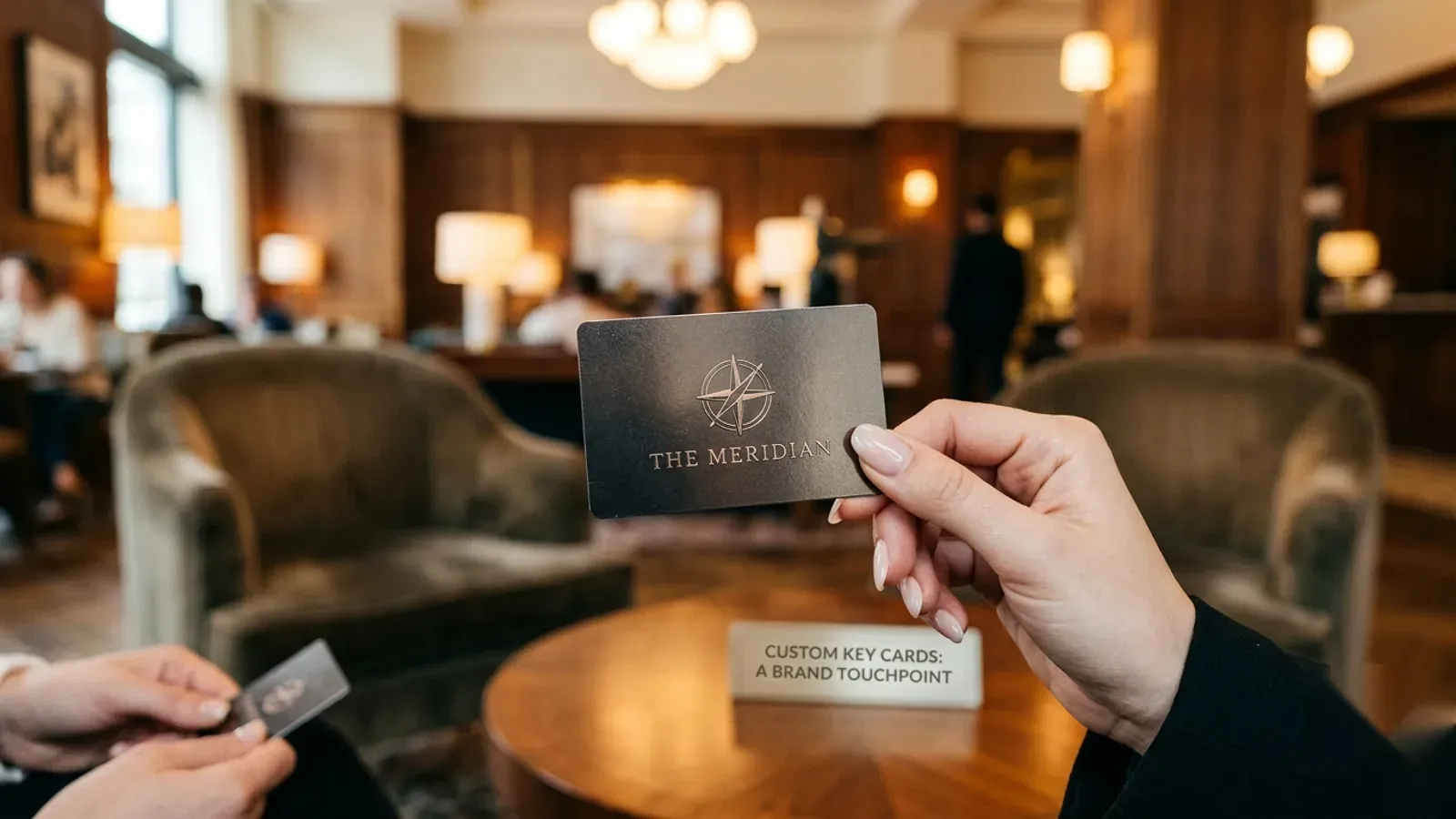
Almost nothing a hotel gives a guest is touched as often as the room key. It is the first object handed across the desk and the last thing in a pocket at checkout. For a boutique property — where the whole proposition is feel, story and detail — that makes the key an unusually valuable few square inches of brand.
Large chains move slowly on a component as small as a key card because their procurement is centralized and standardized. Independent and design-led hotels do not have that constraint, and many have realized that a thoughtfully chosen card does real work: it carries the design language, and increasingly, it carries a sustainability message guests register without being told.
Why sustainability shows up at the front desk
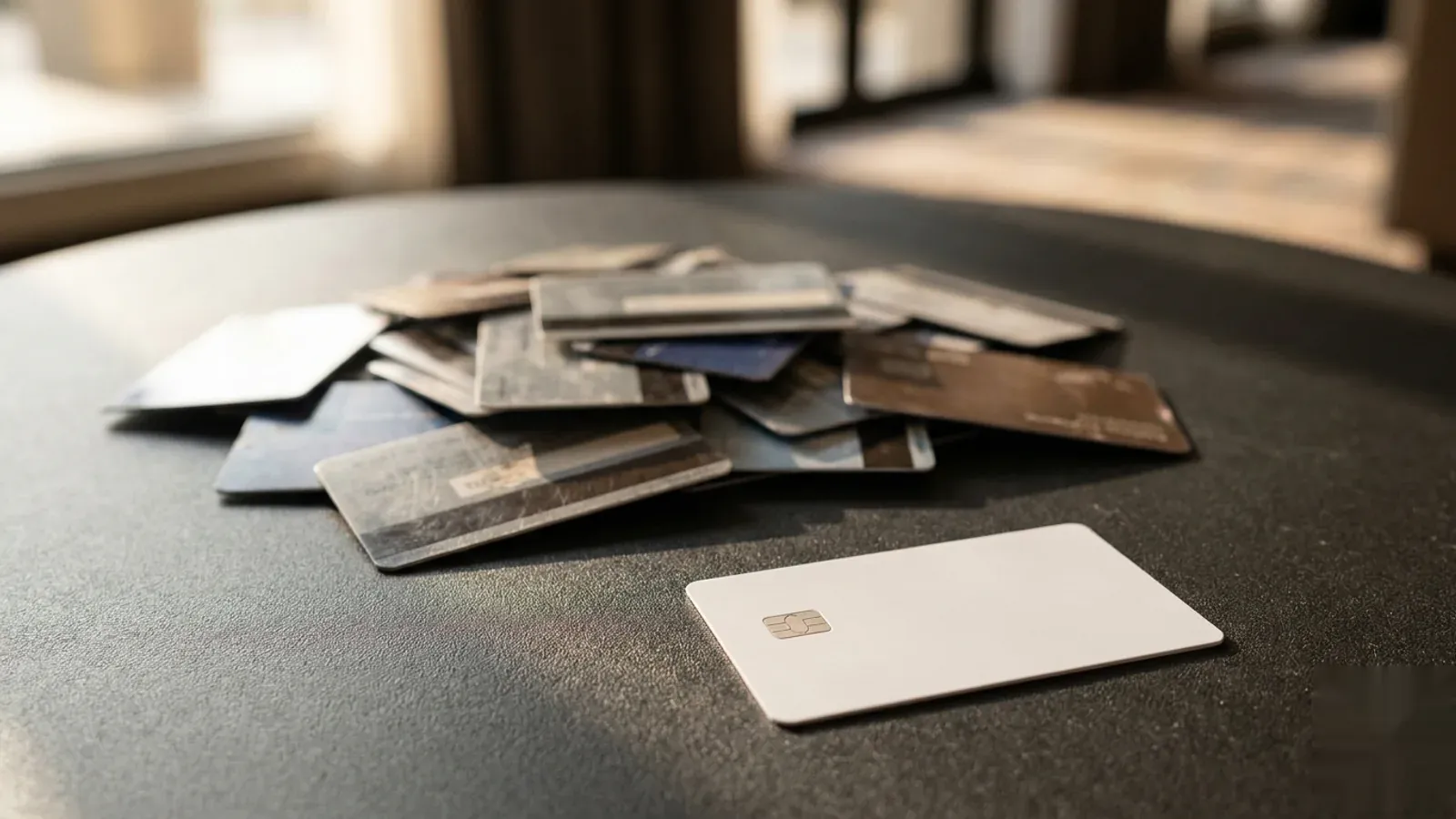
Hospitality has spent years removing single-use plastic from rooms — straws, miniature bottles, wrapped amenities. The key card is a logical next target, and an especially visible one, because unlike a refillable shampoo dispenser it ends up in the guest's hand.
A wood or bamboo card communicates instantly. It is warmer to the touch than plastic, it looks considered, and it tells a guest that the property's environmental claims extend to the small things. For boutique hotels marketing to travelers who care about provenance, that signal is worth more than the modest cost difference.
The material options, briefly
Sustainable key cards are not a single product but a spectrum, and each material trades off look, cost and footprint differently. The RFID chip inside is identical to a plastic card — it is only the body that changes — so any of these can be specified to the same locks a property already runs.
- FSC-certified wood (maple, walnut, birch): warm, premium, naturally distinctive; from responsibly managed forests.
- Bamboo: fast-renewing grass, light and durable, with a clean modern grain.
- Recycled and rPVC cores: ocean-bound rPVC, rPET and seed paper that drop straight into existing locks.
- Seed-paper inlays: a talking point for short-stay or event keys designed to be planted, not pocketed.
It works with the locks you already have
The most common objection — "won't a wood card mean new readers?" — is unfounded. Sustainable cards carry the same 13.56 MHz contactless smart-card or NFC-tag credentials as plastic, so they are read by the same hotel lock systems you already run. The lock cannot tell the difference; the guest very much can.
That compatibility is what makes the switch low-risk for a boutique operator. There is no capital project, no reader swap and no retraining. The next reorder simply arrives in a better material.
From cost line to brand asset
Treated purely as a consumable, a key card is a small recurring cost a property tries to minimize. Treated as a brand asset, it becomes one of the cheapest pieces of physical marketing a hotel owns — present at every arrival, every day, in every guest's hand.
Boutique hotels lead this shift because they are structured to act on exactly that kind of detail. A sustainable, well-printed card is a quiet way to make the values on the website tangible at the moment a guest first walks in.
American Hotel Cards is an independent supplier of compatible blank and custom-printed credentials and is not affiliated with, endorsed by or sponsored by any lock manufacturer. Brand names referenced are trademarks of their respective owners. This article is informational and reports on publicly known industry developments.