Sustainability
Wood vs PVC Key Cards: The Real Carbon Math
A grounded comparison of FSC wood, bamboo, recycled PVC and virgin PVC across footprint, durability and guest perception — without the greenwashing.
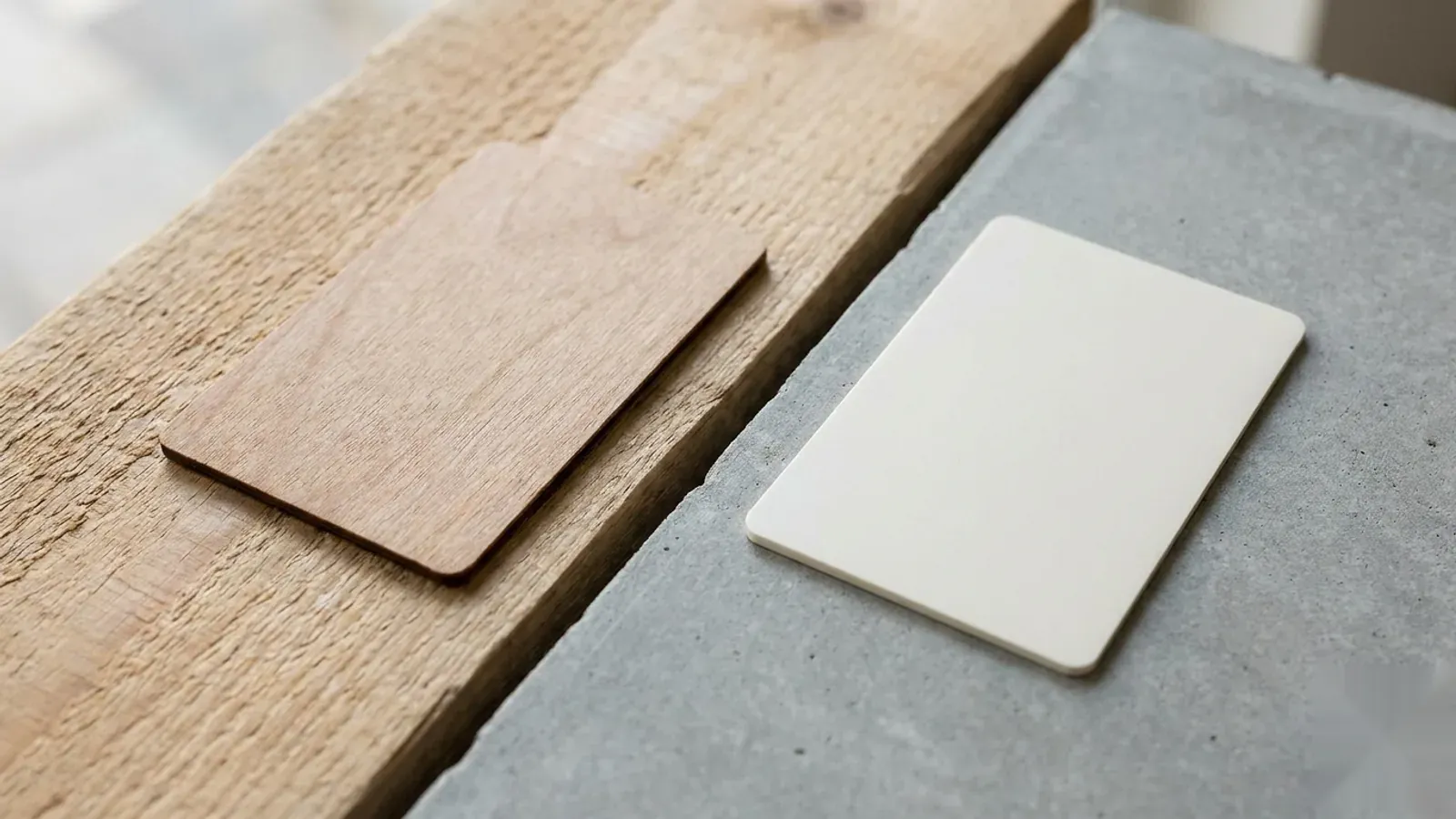
Wood and recycled key cards generally carry a smaller environmental footprint than virgin PVC because they avoid fossil-based plastic and use renewable or reclaimed material. But the honest comparison depends on durability, sourcing and end-of-life: FSC wood and bamboo are renewable and distinctive, recycled PVC diverts existing plastic, and virgin PVC remains the cheapest but most fossil-intensive option.
Why the question is harder than it looks
It is tempting to rank key-card materials on a single green-to-not-green axis, but a credible comparison resists that. Footprint depends on what the material is made from, how far it travels, how long the card lasts and what happens to it at the end. A material that looks greener on the shelf can lose its advantage if it wears out twice as fast.
This article keeps to defensible, qualitative comparisons rather than inventing precise per-card carbon figures, which vary widely by supplier, process and energy source. The aim is to give a hotelier the right mental model, not a falsely exact number.
Virgin PVC: the baseline
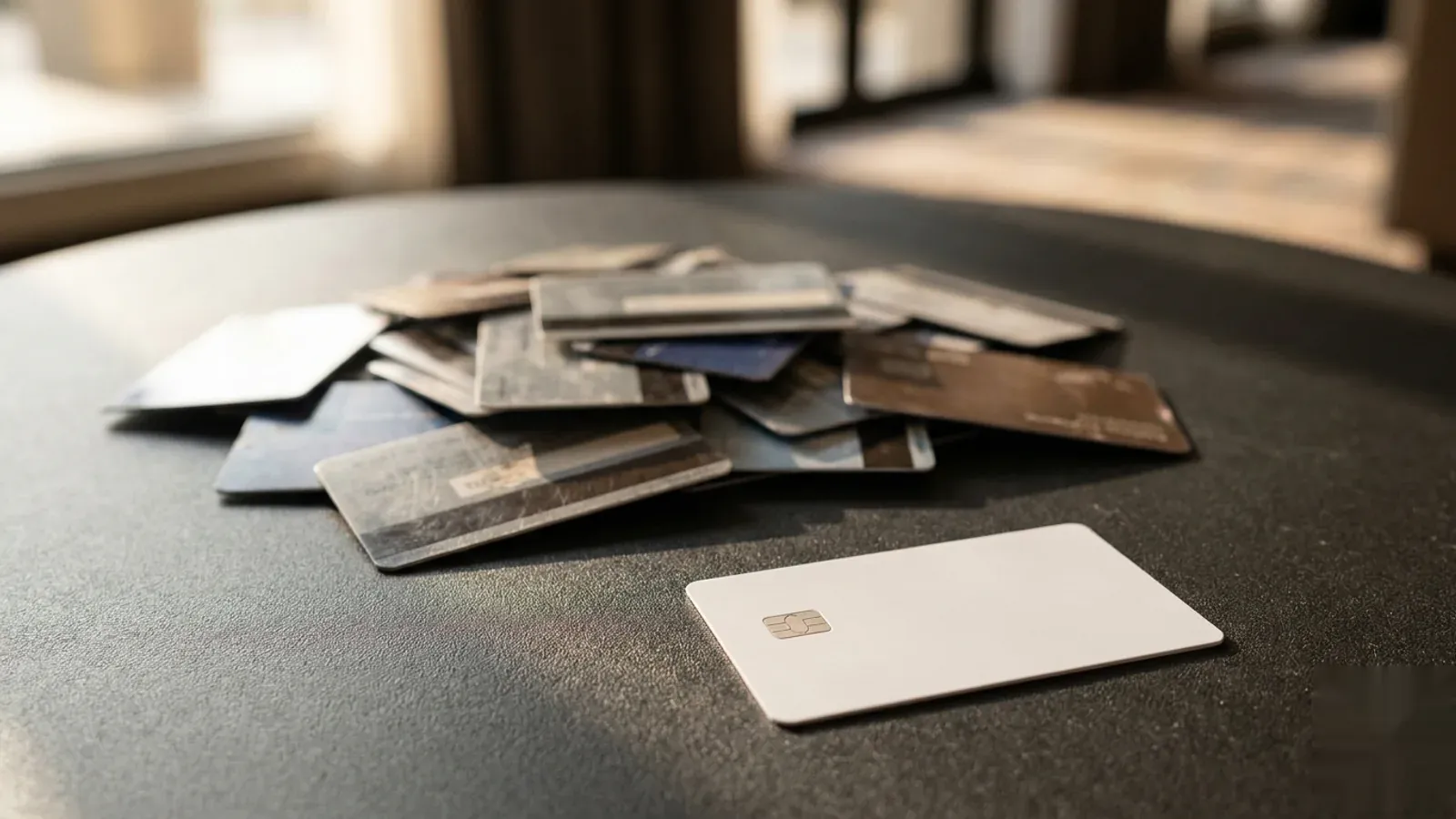
Standard hotel key cards have long been made from virgin PVC — petroleum-derived plastic. It is inexpensive, durable and prints beautifully, which is why it dominated for decades. Its weakness is purely environmental: it is a fossil-based material that is difficult to recycle in practice and persists for a very long time once discarded.
As the baseline, virgin PVC is the option every alternative is measured against. It wins on raw cost and loses on footprint and on the increasingly important matter of what the card says about the property holding it.
FSC wood and bamboo: renewable and visible
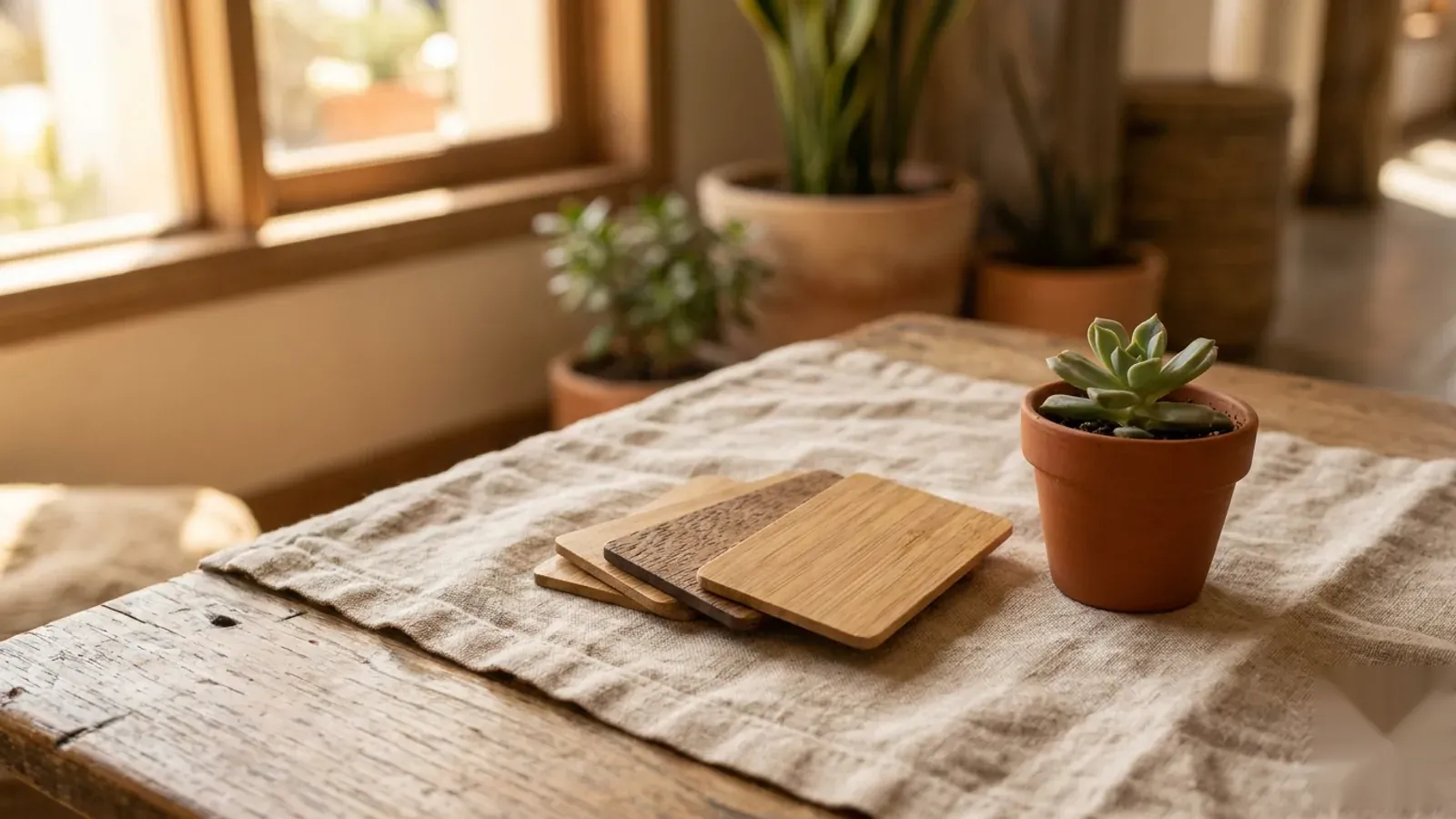
Wood cards made from FSC-certified maple, walnut or birch come from responsibly managed forests, and bamboo is a fast-renewing grass that regrows in years rather than decades. Both replace fossil plastic with a renewable, biodegradable-leaning body, and both are immediately recognizable to a guest as something other than ordinary plastic.
Their footprint advantage rests on renewable sourcing and the avoidance of virgin plastic, but it is real only if the wood is genuinely certified and the card is built to last a normal service life. The guest-perception benefit, by contrast, is unambiguous: a wood or bamboo card reads as considered and premium in a way plastic cannot.
- FSC wood: responsibly forested, warm and premium, naturally distinctive.
- Bamboo: fast-renewing, light, durable, clean modern grain.
- Both: renewable bodies that avoid virgin fossil plastic and signal sustainability on sight.
Recycled and rPVC: diverting what exists
Recycled cards take a different route to a lower footprint. Rather than introducing a new renewable material, ocean-bound rPVC and rPET reuse plastic that already exists, diverting it from waste streams and avoiding the production of new virgin resin. The card looks and performs much like conventional PVC because, chemically, it largely is — just reclaimed.
For properties that want the familiar plastic feel and print quality with a better story, recycled stock is often the path of least resistance. It drops straight into existing locks and behaves like the cards staff already know.
Durability and end-of-life change the math
Two factors quietly decide the real comparison. Durability matters because a card that survives years of pockets and door taps spreads its footprint across many uses, while one that cracks early has to be remade. And end-of-life matters because a renewable card sent to landfill realizes less of its advantage than one that is genuinely composted or recycled where facilities exist.
The practical guidance: choose a material that suits the use. High-turnover, short-stay keys may favor recycled or seed-paper stock; long-stay and premium properties may prefer durable wood or bamboo that guests keep for the week. The chip inside is identical in every case, so the choice is about body, footprint and feel — never about whether the card works in your locks.
American Hotel Cards is an independent supplier of compatible blank and custom-printed credentials and is not affiliated with, endorsed by or sponsored by any lock manufacturer. Brand names referenced are trademarks of their respective owners. This article is informational and reports on publicly known industry developments.